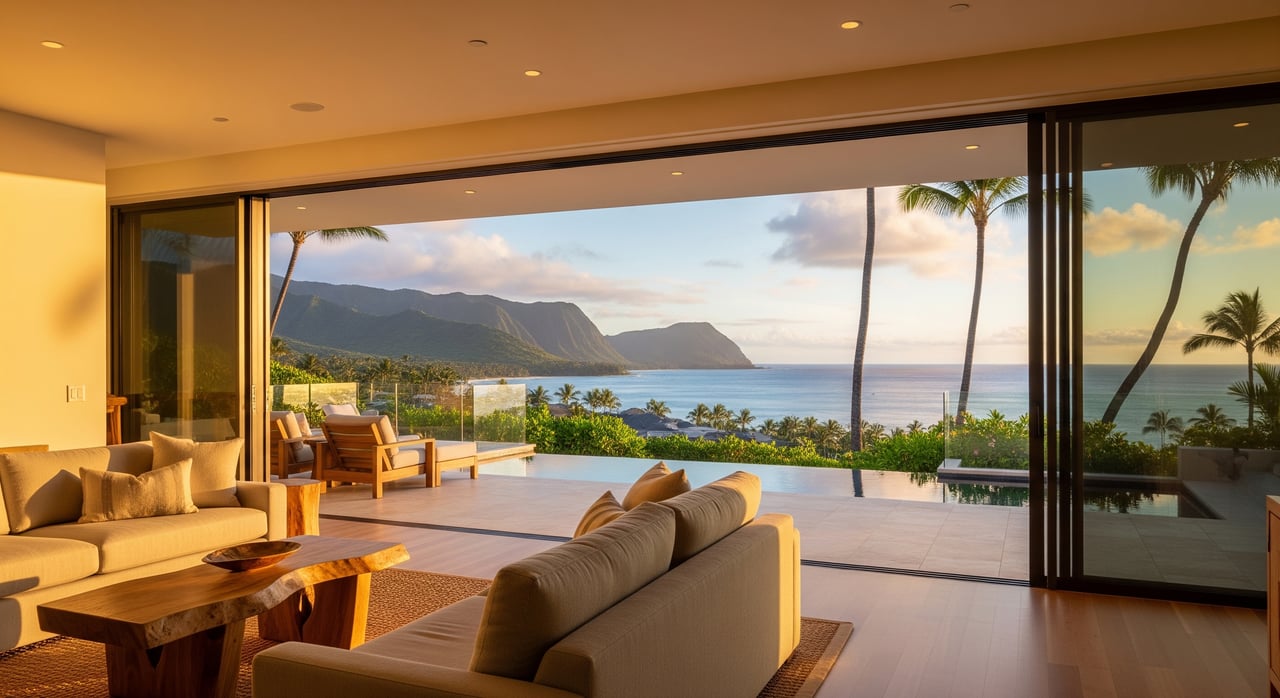
Thinking about a Princeville condo as your base on Kauai’s North Shore? You are not alone. The blend of ocean views, ridge-top sunsets, and resort conveniences draws many second-home buyers and relocators. To make a confident purchase, you need a clear picture of the unique maintenance, rules, and logistics that come with island condo living. In this guide, you will learn seven essentials, plus a practical on-island checklist to streamline your search. Let’s dive in.
1) Building character and maintenance in Princeville
Princeville offers a mix of older low-rise wood-frame buildings, mid-rise structures, and newer concrete construction. Each responds differently to salt air, humidity, and coastal weather. Salt exposure can accelerate corrosion on metal fasteners, railings, and sliding door tracks, which means exterior repainting, railing repairs, window and door replacements, and roof work tend to be more frequent than on the mainland.
Ask about recent capital projects and what is next on the timeline. Impact-resistant glazing and modern A/C systems can extend component life and improve comfort. Pay close attention to balconies, railings, and any visible signs of water intrusion.
- Common items to verify: exterior paint or stucco cycles, roof age, window and slider upgrades, and elevator or walkway repairs if applicable.
- Red flags: deferred maintenance, rusting railings, soft wood, or a history of frequent special assessments.
Action steps: Request the reserve study, capital improvement history, recent assessment history, and a 5–10 year maintenance plan before you write an offer or during early due diligence.
2) AOAO rules, finances, and governance
In Hawaii, most condo associations are called an Association of Apartment Owners, or AOAO, and are governed by state condominium statutes. The AOAO’s rules and financial health can impact both your day-to-day living and your long-term costs. Review the declaration, bylaws, house rules, current budget, reserve study, and 6–12 months of meeting minutes.
Focus on adequacy of reserves, the size and frequency of special assessments, and trends in monthly dues. Read rules on pets, alterations, quiet hours, parking, and guest use of common areas. If rental income matters to you, review any on-site rental program rules and rental ledgers.
- What to request: CC&Rs, bylaws, house rules, budget, reserve study, insurance certificate, litigation disclosures, and board minutes.
- Practical tip: Ask your lender and insurer to review AOAO documents for project eligibility and coverage fit.
Action steps: Request a seller-supplied AOAO packet early, and calendar time to read board minutes. Confirm any rental, pet, and renovation rules in writing.
3) Parking, storage, and daily logistics
Parking is not one-size-fits-all in Princeville. Some units have one deeded stall, others rely on assigned or first-come guest stalls, and some limit on-street parking entirely. Storage also varies. A few complexes offer storage lockers or surfboard rooms, while others have minimal extra space.
If you plan to own an EV, ask about on-site charging. Availability is growing, but new installations often need AOAO approval and electrical capacity review. Make sure day-to-day logistics fit your lifestyle, from carrying groceries up stairs to storing beach gear.
- Verify in writing: number and location of deeded or assigned stalls, guest parking policy, storage locker availability, and fees.
- EV planning: confirm whether personal chargers are allowed and what approvals are required.
Action steps: Walk the parking areas and storage rooms during your tour. Test access routes, elevator or stair use, and confirm mailbox and package delivery locations.
4) Location tradeoffs: beaches, trails, amenities
Proximity to beaches, trailheads, golf, restaurants, and shops adds daily convenience and can boost rental appeal. Views of the ocean, Hanalei Bay, or the mountains often command a premium. At the same time, units near popular access points may see more foot traffic, evening noise, and parking competition.
Some addresses sit on bluff edges with dramatic views, which requires attention to erosion and geotechnical conditions. Others are set back on quieter ridges. Choose based on how you plan to use the condo: morning beach walks, sunset viewpoints, or calmer corners away from crowds.
- Touring tips: visit morning, afternoon, and evening, plus a weekend day. Track noise, lighting, parking, and sunset exposure.
- Reality check: Princeville is at the far north of the island. You will drive for major services, and the Kuhio Highway can be slow or affected by weather.
Action steps: Confirm actual walking routes and access points. Note microclimate patterns like wind exposure and afternoon sun on lanais.
5) Short-term rentals, permits, and taxes
Short-term rental use depends on a mix of AOAO rules and Kauai County regulations. Even if the AOAO allows vacation rentals, you must follow county permitting requirements and statewide tax collection rules. Hosts typically register for state Transient Accommodations Tax and General Excise Tax, and some complexes require participation in an on-site rental program.
If income is part of your plan, analyze management fees, owner-use blocks, commission structures, and occupancy and average daily rate history. Regulations have tightened in recent years across Hawaii, so verify what is currently allowed for the specific unit and building.
- Documentation to review: AOAO rental policy, county permitting status for the building and unit, tax registration steps, and recent rental performance records.
- Income sanity check: compare projected occupancy and expenses to your carrying costs.
Action steps: Confirm that the unit can be legally rented short-term, identify all required registrations or permits, and obtain rental revenue and occupancy records before you commit.
6) Insurance, hazards, and utilities
Coastal properties in Hawaii carry unique risk profiles. Expect higher insurance premiums and wind or hurricane deductibles on the AOAO master policy or your individual policy. If the building sits in a mapped flood zone, separate flood insurance may be required. Kauai’s coastline also has tsunami evacuation zones and areas where cliff stability and erosion need evaluation.
On the utility side, verify whether the project is on county sewer, septic, or a legacy cesspool system. Hawaii has a statewide cesspool phase-out effort, and upgrades can be costly. Energy costs are among the highest in the nation, so the presence of efficient cooling systems and solar can matter.
- Due diligence list: AOAO insurance certificate, deductible details, flood zone status, tsunami and erosion maps, sewer or septic documentation, and recent utility bills.
- Comfort check: evaluate ventilation, A/C type, and sun exposure to understand cooling needs.
Action steps: Ask your insurance broker to model premiums and deductibles for the specific project. Confirm wastewater systems and any planned upgrades or assessments.
7) Title type, financing, and lender review
Most Princeville condos are fee simple, but you should confirm title early. If a property is leasehold, the lease terms, rent resets, and expiration date affect value and financing. Lenders also review condo projects for eligibility. High investor ratios, heavy rental usage, underfunded reserves, or pending litigation can limit loan options or raise down payment requirements.
Cash purchases are common on the islands, but many buyers finance with conventional or portfolio loans from lenders who understand Hawaii condos. Your lender will likely review reserves, delinquency rates, and owner occupancy ratios.
- Financing prep: confirm project approval status if you want FHA or VA, and speak with lenders who regularly close Kauai condo loans.
- Title review: verify easements, access rights to beaches or trails, and any transfer fees or rights of first refusal.
Action steps: Start lender conversations early, share the AOAO packet for project review, and obtain title documents as soon as you are under contract.
On-island due diligence and tour checklist
Planning ahead helps you use your time on Kauai well and avoid surprises later.
- Documents to request before you arrive: full AOAO packet, seller disclosures, unit maintenance and renovation history, pest or termite reports, and rental history if applicable.
- What to do on-site: visit at different times of day and week to observe noise and parking; walk parking areas and storage; check stairs or elevator access; inspect for salt corrosion, water intrusion, and slider function; and ask the property manager about capital projects, rental usage, and rule enforcement.
- Services and access: test cell service and internet speeds inside the unit. Time your drive to groceries, clinics, and the airport so you can plan your weekly routine.
- Professionals to engage: a local agent with Princeville experience, a coastal-savvy inspector or contractor, an insurance broker familiar with Kauai, a lender versed in condo project approvals, and title or legal support for leasehold or easement questions.
- Logistics for renters: if you plan to rent the condo, review booking calendars, interview multiple property managers, and walk the guest check-in path to see where bottlenecks happen.
Putting it all together
Buying a condo in Princeville is about fit and foresight. If you align the building’s maintenance profile, AOAO health, location tradeoffs, rental permissions, insurance realities, and financing with your goals, you will enjoy the lifestyle you came for. A local, experienced team helps you move quickly and confidently when the right unit appears.
If you are ready to explore Princeville condos with a calm, concierge approach, connect with Kela Fernandez for a personal consultation.
FAQs
Can I use a Princeville condo as a vacation rental?
- It depends on AOAO rules and current Kauai County regulations; confirm unit-level eligibility, required permits or registrations, and tax obligations before you buy.
What do typical HOA (AOAO) fees cover in Princeville?
- AOAO dues often cover exterior maintenance, common-area insurance, water and sewer, amenities, and reserve contributions, but you should verify the exact inclusions in the current budget.
How do I check for special assessments or deferred maintenance?
- Review the reserve study, AOAO budget, board meeting minutes for the past year, and the building’s recent assessment history to see what has been funded or delayed.
How does salt air affect condo maintenance costs?
- Salt exposure speeds corrosion and weathering, so expect more frequent repainting, metal and railing repairs, slider and window replacements, and vigilant waterproofing.
Do I need flood or hurricane coverage for a Princeville condo?
- You will likely encounter higher wind or hurricane deductibles, and separate flood insurance may be required if the building sits in a mapped flood zone.
How accessible are services and the airport from Princeville?
- Princeville is on the far north side of Kauai, so plan for drive times to larger services and the airport, and be aware that the Kuhio Highway can be slow or impacted by weather.
Is financing harder for resort-area condos in Hawaii?
- Lenders often apply stricter project reviews, and higher down payments are common if investor ratios or reserves are outside guidelines, so engage a lender experienced with Hawaii condos early.
What should I bring for an on-island condo tour?
- Bring your checklist, copies of AOAO documents, a phone for photos and notes, comfortable shoes for walking the site, and questions for the property manager or board representative.