If you picture mornings wrapped in green, fruit trees just outside your window, and space to grow, Haiku-Pauwela can feel like the Hawaii you hoped to find. The North Shore’s rural rhythm is real here, but so are the practical details that make acreage living work day to day. In this guide, you’ll learn how zoning, water and wastewater systems, and farm potential fit together so you can buy land with clarity and confidence. Let’s dive in.
Why Haiku-Pauwela land appeals
Haiku-Pauwela sits along the North Shore with primary access on the Hana Highway, which links the area to Kahului and the airport. Depending on your exact location and traffic, you can expect about a 20 to 30 minute drive to central services. You’ll find parcels at low to moderate elevations with varied topography as land rises toward Haleakalā. Elevation and slope can change quickly, so verify the specific topography for any parcel you consider.
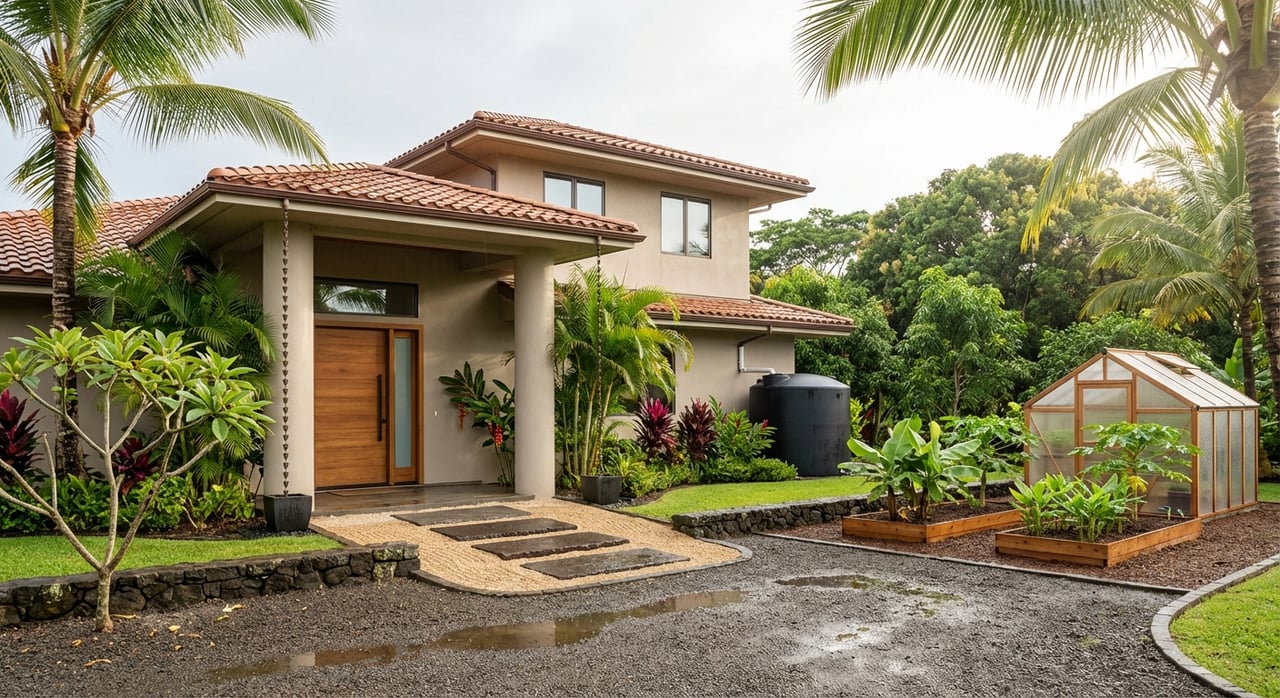
This side of Maui is windward and typically wetter than leeward coastal areas. Just a few miles can make a big difference in rainfall compared to nearby Paia or Upcountry. That moisture supports lush landscapes and diverse crops, but it also means drainage, roof design, access, and maintenance need extra attention. Plan to visit properties in different weather to see road conditions, runoff patterns, and sun exposure firsthand.
Zoning basics on ag land
Most acreage in Haiku-Pauwela is zoned Agricultural under Maui County’s Title 19. The principal use is agriculture, including crops, livestock, silviculture, and aquaculture. Accessory and commercial agricultural structures, such as farmstands and small on-site retail for products grown on the property, are allowed when they meet the county’s standards for size, setbacks, parking, and openness. Before you assume any use, confirm zoning and State Land Use designations for the specific TMK using County tools or a zoning confirmation.
Farm dwellings are permitted, with important limits. The code allows two farm dwellings per lot, and one of those must not exceed 1,000 square feet of developable area. Additional farm labor dwellings may be allowed based on lot size and performance tests, which can include documented agricultural sales, a Department of Water Supply agricultural rate certification, or submission of a farm plan. If you hope to build more than the baseline dwellings or add worker housing, study the code and discuss your plan with the County early. You can review the relevant farm dwelling and permitted-use standards in Maui County Code Chapter 19.30A.050, which outlines how the County applies these rules in practice.
Subdivision potential on agricultural land is limited by a sliding-scale density framework intended to preserve agricultural character. Do not assume you can subdivide a large parcel into one-acre lots. Always verify permitted lot counts with the Planning Department before you factor subdivision potential into value.
Short-term rentals are also tightly controlled. Maui County generally restricts transient vacation rentals to resort or hotel districts and regulates non-hotel short-term rentals through permits. If you plan any rental activity, do not assume it is allowed on agricultural land. Confirm what is possible under current Title 19 rules and County implementation.
Water and wastewater realities
County water and meters
Parts of Haiku-Pauwela fall within the Department of Water Supply’s Upcountry/Paia–Haiku systems. Supply on these systems is surface-water-dependent and has faced shortage stages in recent years. Meter availability and service capacity are not guaranteed for every lot. Request a DWS availability or will-serve letter for the exact TMK, and ask about any meter waitlist or improvement requirements.
Wells and rainwater catchment
Many rural properties rely on private wells or roof rainwater catchment. Well feasibility depends on site-specific hydrogeology and permitting, so verify if a well exists and whether drilling is practical if it does not. If you plan to use rainwater catchment for domestic supply, Hawai‘i’s Department of Health recommends following University of Hawai‘i/CTAHR design and maintenance guidance. DOH also advises routine testing for E. coli, turbidity, lead, and copper, and sizing storage and treatment to local rainfall and your household or farm demand.
Septic and cesspool conversion
Some older properties still use cesspools. Under Hawai‘i law (Act 125 of 2017), cesspools must be converted, upgraded, or connected to sewer by 2050. In some priority areas and scenarios, conversions can be required earlier, such as at time of sale or during permit applications. During due diligence, confirm whether the property has septic or a cesspool, check its priority status using the state’s tool, and budget for potential upgrades.
Farming and small ag potential
Haiku’s rainfall and mild temperatures support a wide range of crops and permaculture systems. County code recognizes agricultural retail and value-added activities tied to on-site production when they meet standards. Small farmstands are an explicit accessory use, with rules for size, openness, setbacks, and parking. If you plan to sell products not grown on the property or operate a larger food establishment, expect to pursue additional State or County approvals.
If you are new to farming on Maui, you have excellent resources. The University of Hawai‘i CTAHR Cooperative Extension provides soil testing, crop guidance, farm-planning tools, and training for diversified growers. A site-specific soil test and a small test plot can save time and money before you plant at scale. For long-term tax planning, Maui County offers agricultural-use assessments and formal agricultural dedications for parcels actually used for agriculture. These can reduce property tax rates, but they require an application and evidence of qualifying use.
Buyer due diligence checklist
Use this quick list to structure your offer timeline and contingencies:
- Zoning and land-use confirmation. Request TMK-specific printouts showing County zoning, State Land Use, and community plan designations. Confirm any overlays that affect your plans.
- Dwellings and farm structures. Read the Agricultural District standards for farm dwellings, accessory structures, and agricultural retail. If you hope to exceed the baseline, schedule a Planning pre-application discussion.
- Water service and meters. Ask the Department of Water Supply for a will-serve or availability letter for your TMK. Confirm meter status, any waitlist details, and whether off-site improvements are required.
- Wastewater system and priority. Ask the seller for septic or cesspool records. Use the state’s cesspool prioritization tool to identify priority status and plan for conversion costs where indicated.
- Catchment plan if needed. If county water is not available, estimate household and farm demand and size tanks, filtration, and disinfection to match local rainfall. Follow DOH and UH/CTAHR guidance and plan for regular water quality testing.
- Farmstand and value-added uses. If you plan on-site retail or processing, check Title 19 requirements and any Department of Health rules for food safety. Weddings or events typically require additional County permits.
- Site hazards and buildability. Review topography, flood maps, wetlands/stream overlays, and consider a geotechnical or soils assessment for steep slopes or long driveways.
- Property tax classification. Discuss agricultural-use assessment and dedication with Maui Real Property Tax and note application windows and documentation requirements.
- Utilities and connectivity. Confirm Hawaiian Electric service, pole access, and broadband options. In rural areas, last-mile internet or backup power can add to your setup budget.
- Insurance and lending. Ask lenders and insurers early about financing and coverage for homes on catchment and septic. Requirements vary by underwriter.
Costs and timelines to expect
On rural acreage, water and wastewater are often the biggest drivers of cost and timing. Budget for either a county meter with potential improvement work or a complete catchment system with storage, filtration, and disinfection. If a cesspool is present and in a higher-priority area, plan for an earlier conversion to septic or sewer. For farms and on-site retail, factor in permitting time for structures and any food-safety approvals.
Site work can add complexity. Steeper parcels may require driveway engineering, erosion control, and drainage improvements that affect both budget and schedule. The payoff is a tailored property that works with the land rather than against it. A thorough due diligence process will help you sequence these steps and keep surprises in check.
Next steps with a local guide
Buying acreage in Haiku-Pauwela is equal parts vision and practical planning. With the right map for zoning, water, wastewater, and farm feasibility, you can move with confidence toward a property that supports your lifestyle. If you want a partner who blends land stewardship and wellness sensibilities with rigorous transaction management, let’s talk. Schedule a personal consultation with Kela Fernandez to align properties with your goals and build the right local team.
FAQs
What makes Haiku-Pauwela’s climate different from Upcountry?
- Haiku-Pauwela is windward and typically wetter than nearby leeward or higher-elevation areas, so plan for robust drainage, mildew-aware maintenance, and crop choices that like moisture.
Can I build multiple homes on agricultural acreage?
- Maui County’s Agricultural District generally allows two farm dwellings per lot, with one capped at 1,000 square feet of developable area, and additional farm labor dwellings only if specific criteria are met under the code.
Are short-term rentals allowed on ag land in Haiku-Pauwela?
- Short-term rentals are tightly regulated outside hotel/resort districts and often require specific permits, so do not assume they are allowed on agricultural land without County approvals.
How do I confirm county water service or meter status?
- Request a Department of Water Supply will-serve or availability letter for the exact TMK and ask about meter availability, waitlists, and any off-site improvement requirements.
What if a property has a cesspool instead of septic?
- Hawai‘i law requires cesspool conversion by 2050, with some earlier triggers in priority areas, so verify system type, check the state priority map, and budget for upgrades.
Can I open a farmstand on my property?
- Small farmstands selling products grown on-site are a permitted accessory use when they meet size, setback, openness, and parking standards; larger or different retail may need additional permits.
Are there property tax benefits if I actively farm?
- Maui County offers agricultural-use assessments and formal dedications that can lower property taxes for qualifying agricultural activity, but you must apply and provide documentation.