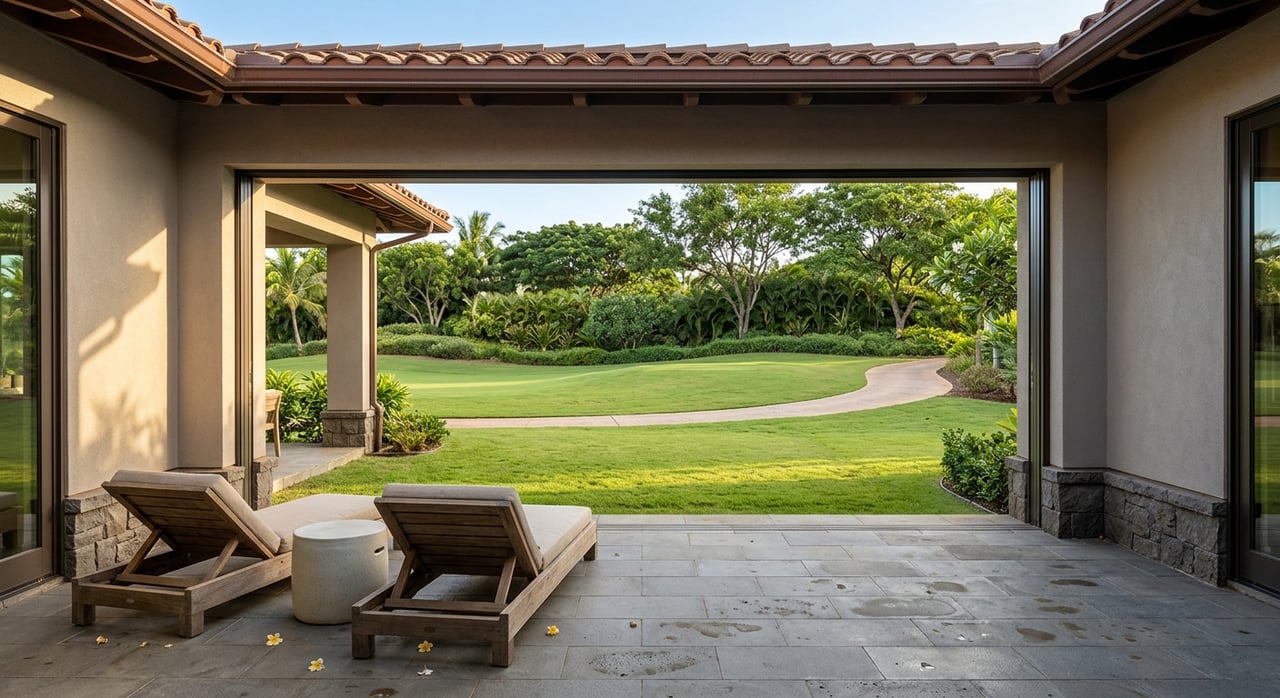
If you picture waking up beside a manicured fairway with ocean light in the distance, Wailea likely already has your attention. But buying in a golf community here is about more than a beautiful setting. You need to understand how each community works, what ownership actually looks like day to day, and how rules around views, guests, and rentals can shape your experience. Let’s dive in.
Why Wailea Golf Living Stands Out
Wailea offers a distinct mix of resort amenities, residential options, and open space within a 1,500-acre master-planned community, according to the Wailea Community Association. The broader resort area is known for beaches, golf, tennis, shopping, spas, and resort residences, as described by the Wailea Resort Association.
That matters if you are buying along the fairways because the lifestyle is not just about tee times. You are also buying into proximity to the wider Wailea resort environment, with access to the setting and amenities that make the area so desirable.
At the center of that appeal is the Wailea Golf Club, which operates the Gold, Blue, and Emerald courses. The club highlights sunshine, ocean and resort vistas, practice facilities, clubhouse dining, a golf academy, and pro shops, and notes that the three courses have earned more than 170 honors.
How the Courses Shape Location
Not every golf-facing address in Wailea feels the same. The course your property borders can affect your outlook, atmosphere, and even how buyers perceive value.
According to Wailea Golf Club, the Gold Course is known for a dramatic visual setting, the Emerald Course is especially associated with ocean views, and the Blue Course runs through the heart of Wailea with panoramic resort views. If you are deciding between communities, that context can help you narrow down the kind of backdrop you want every day.
Main Property Types to Know
Wailea’s golf communities are not one-size-fits-all. Some are more owner-focused, while others offer more flexibility for rental-oriented ownership.
Wailea Golf Estates
Wailea Golf Estates is geared toward homeowners who want a more private, estate-style setting. Its published rules state that there are no short-term rentals, homes are for owners and guests, and guests staying without the owner need HOA approval, according to the community rules.
This community also places a strong emphasis on protecting view corridors. The HOA’s landscaping standards limit the height of non-palm trees and set trimming requirements for palms to help preserve west-facing ocean and sunset views.
If view protection is high on your list, that is a meaningful detail. It shows how community rules can directly support long-term enjoyment and resale appeal.
Wailea Fairway Villas
Wailea Fairway Villas offers condo living on the 11th fairway of the Blue Course. According to the developer description, it includes 118 two- and three-bedroom residences on about 12 acres, with homes ranging from roughly 952 to 1,555 square feet.
The ownership profile here is more residential than vacation-oriented. The house rules prohibit vacation or short-term rentals and require leases of at least six months.
There is also an important maintenance angle to understand. The association has adopted a high-risk component policy, reflecting the fact that the project is now more than 25 years old and that certain plumbing and electrical components require closer monitoring.
Grand Champions Villas
Grand Champions Villas has a different feel and a different ownership profile. The community includes 188 condo units between Wailea’s Old Blue Golf Course and the Wailea Tennis Center, with two pools, two Jacuzzis, four gas grills, assigned parking, and beach access that is a short drive or about a 15 to 20 minute walk, according to the property details.
Its FAQ page adds practical details buyers should know. There is no front desk or concierge, no gym on site, each unit has its own washer and dryer, there is no direct path to the beach, and parking is limited to two vehicles per unit.
For buyers thinking about flexibility, Grand Champions may stand apart. Its house rules address transient, short-term, and long-term tenants, and temporary parking permits are available for vacation-rental use through rental agents.
How HOA Layers Affect Ownership
One of the biggest surprises for buyers in Wailea is how layered ownership can be. The Wailea Community Association functions as the master association for the resort and oversees architectural review, landscaping and infrastructure management, covenant compliance, and broader community standards.
Then each individual community adds its own sub-association rules. In practice, that means you may need to follow both resort-wide standards and project-specific policies covering guest use, parking, quiet hours, construction, landscaping, and exterior changes.
This layered structure can be a real advantage if you value consistency. It can help preserve views, maintain appearance standards, and support an orderly ownership environment.
At the same time, it may limit flexibility. Before you buy, it is worth reading the fine print so you know exactly what is allowed and what requires approval.
What Can Influence Value
Buyers often assume the premium comes from being on a golf course alone, but the picture is more nuanced. The National Golf Foundation estimates that direct frontage on or immediate proximity to a golf course can add an average value premium of about 15%, though it varies by market and exact location.
In Wailea, the view story may matter just as much. At Wailea Golf Estates, the HOA explicitly connects preserved ocean and sunset views with property value and uses landscaping rules to help protect those sightlines, according to its maintenance guidance.
That means two homes with the same fairway address may not carry the same long-term appeal. View protection, orientation, and community controls can all affect how a property performs over time.
Rental Rules Need Extra Attention
If you are considering part-time use or income potential, do not assume every Wailea golf property works for nightly or weekly rentals. Rental eligibility depends on both county rules and the HOA for the specific property.
Maui County’s short-term rental guidance explains that short-term rental use is pursued through permits for bed-and-breakfast homes or transient vacation rentals, and that these uses carry tax obligations. The county states that short-term rentals must pay a 3% Maui County transient accommodations tax, along with the state GET and TAT.
The rules are also evolving. Maui County reports that Bill 9 was signed into law on December 15, 2025, and phases out certain Minatoya TVRs in apartment-zoned districts, while also stating that short-term rentals are not eliminated countywide and that more than 2,700 South Maui vacation rentals remain unaffected.
That is why your due diligence should stay property-specific. The right question is not whether Wailea allows rentals in general. The question is whether this exact property is legally eligible under current county rules and whether the HOA allows the use you want.
Tax Classification Matters Too
Ownership costs can look different depending on how the property is classified. Maui County has separate real property tax classifications for owner-occupied, long-term rental, TVR-STRH, and commercialized residential use.
If you are underwriting a second home or investment strategy, that classification can affect your annual carrying costs. It is one more reason to confirm the intended use before you close.
Smart Questions to Ask Before You Buy
A fairway-front purchase can be rewarding, but the best outcomes usually come from careful review before you make an offer. A few practical questions can help you compare options clearly.
Key due diligence questions
- How protected is the current view corridor?
- What does the HOA allow for guests, parking, and exterior changes?
- Are there any special maintenance policies tied to the age of the building?
- Is the property legally eligible for the rental use you want?
- Does the community fit your goals better as a primary home, second home, or investment hold?
These details can make a major difference in how the property feels to own, not just how it looks on showing day.
Buying along the fairways in Wailea can offer a compelling blend of scenery, resort access, and lifestyle convenience. The key is matching the right community to how you actually plan to live, visit, or hold the property over time. If you want thoughtful guidance on comparing Wailea golf communities and sorting through the rules that matter most, Kela Fernandez can help you evaluate the fit with clarity and care.
FAQs
What makes Wailea golf communities different from other Maui resort areas?
- Wailea combines a master-planned resort setting with golf, beaches, shopping, spas, tennis, and a range of residential property types, which gives buyers a broader lifestyle package beyond the course itself.
Which Wailea golf community is best for owner-focused living?
- Based on published HOA rules, Wailea Golf Estates and Wailea Fairway Villas are more owner-focused because they prohibit short-term rentals, while Grand Champions Villas allows more rental flexibility.
Can you use a Wailea golf condo as a short-term rental?
- Some properties may allow it, but you need to confirm both current Maui County eligibility and the specific HOA rules before assuming nightly or weekly rentals are allowed.
Why do view corridors matter in Wailea golf communities?
- View corridors can directly affect enjoyment and value, and some communities, such as Wailea Golf Estates, use landscaping rules to help preserve ocean and sunset views.
What should buyers review before purchasing in Wailea Fairway Villas?
- Buyers should review the lease minimums, short-term rental restrictions, and the association’s high-risk component policy because the project is more than 25 years old.
How do HOA rules affect daily life in Wailea golf communities?
- HOA rules can shape guest approvals, parking, quiet hours, landscaping, renovations, and exterior changes, so they often influence ownership more than buyers expect at first glance.