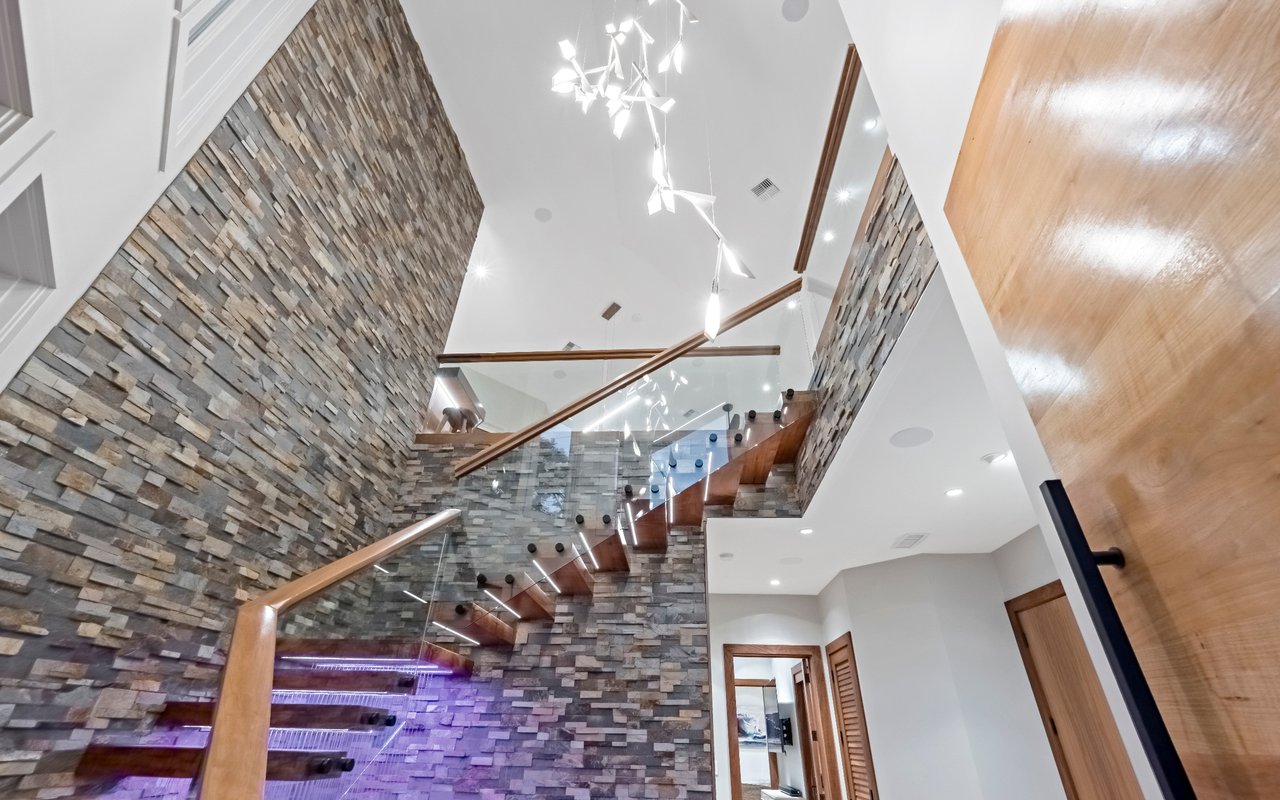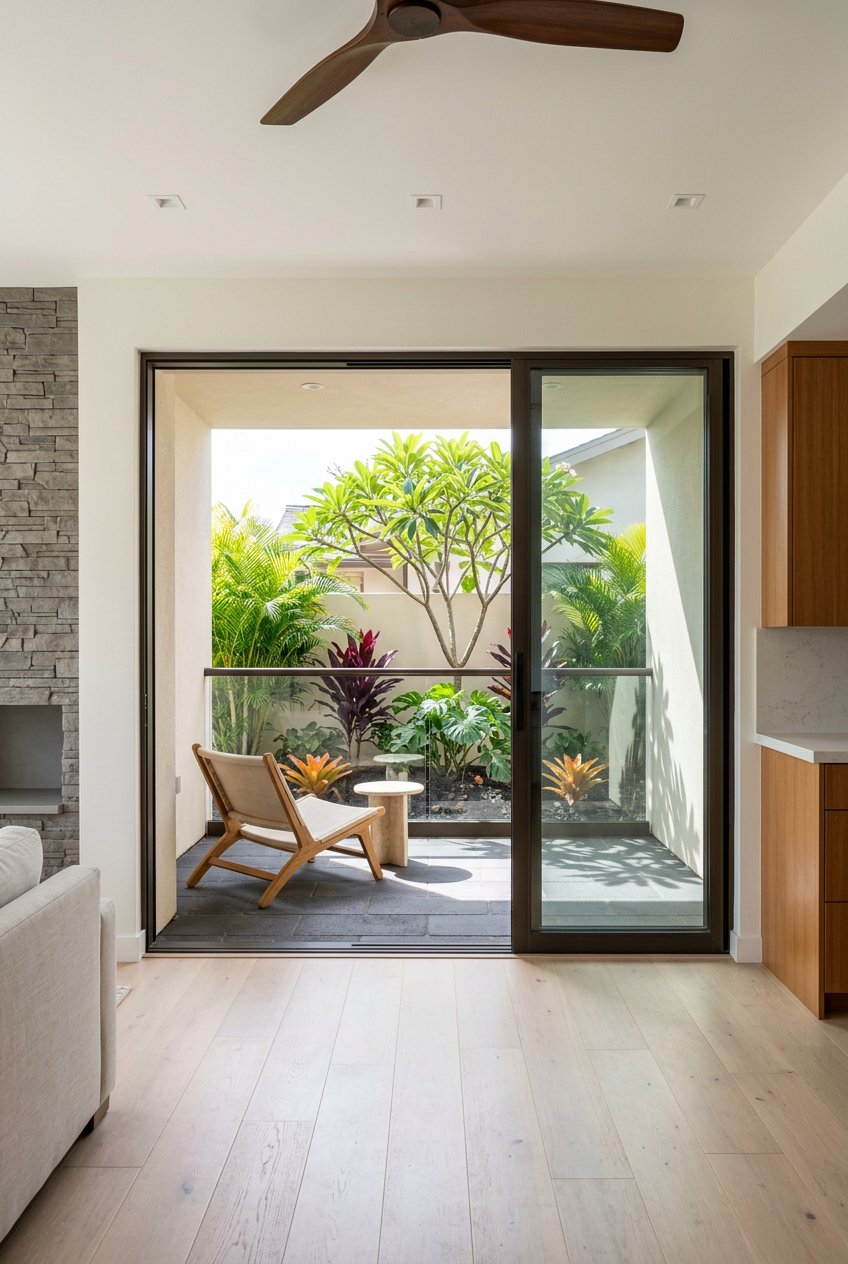
You came to Wailea and Makena for sunshine, world-class beaches, and a home base that feels effortless. The question is simple but important: will a resort condo or a private home serve you best. If you want a clear, practical way to choose, you’re in the right place. In this guide, you’ll compare lifestyle, carrying costs, rental rules, taxes, and a step-by-step due diligence list tailored to South Maui. Let’s dive in.
Market snapshot
Island-wide prices set the backdrop, but Wailea and Makena live in their own luxury lane. In January 2026, Maui’s median single-family price reached about $1.445 million while the island-wide condo median was roughly $629,950, according to data reported by Maui Now. These are county-level figures and Wailea/Makena often trades well above them due to resort and oceanfront positioning. Small sample sizes in this micro-market mean a few high-end sales can swing monthly medians, so you should confirm current comps before making an offer.
Recent Maui medians provide helpful context, yet every Wailea or Makena property is its own story. Expect a wide range shaped by view corridors, proximity to the shoreline, and hotel zoning status.
Condo living: what to expect
A Wailea-area condo centers on ease. You step into thoughtful amenities, manicured grounds, staffed entry or on-site management, and a walkable link to beaches, dining, and golf. Day-to-day, you trade hands-on upkeep for a managed, lock-and-leave rhythm that works well for part-time living.
- Carrying costs: Monthly AOAO dues in resort settings are often in the four figures. Those fees typically fund landscaping, pools, common-area upkeep, reserves, and a portion of insurance. Review current budgets, reserves, minutes, and any special assessments before you commit.
- Rental potential: Hotel-zoned condos are commonly set up for nightly rentals. Apartment-zoned properties face new rules. Maui County’s Bill 9 phases out transient vacation rental use in apartment-zoned districts on a set timeline, while hotel and many timeshare parcels are treated differently. If rental income matters, confirm the unit’s zoning and association rules early. You can read the county summary for details and timing. See the county’s Bill 9 overview.
- Financing: Lenders review condo projects at the association level. Some buildings are straightforward. Others require a full project review or may not align with conventional programs, which can change down payments and timing. If you will finance, ask your lender how Fannie Mae’s condo project review could affect your file.
Single-family estates: what to expect
A Makena or low-density Wailea home emphasizes privacy and space. You control your landscaping, pool, and design choices. The tradeoff is hands-on responsibility or a reliable local caretaker to run the property when you are away.
- Carrying costs: You own the full maintenance stack. Budget for landscape, pool service, pest control, roof and exterior upkeep, plus a robust homeowners insurance policy. After the 2023 wildfires and reinsurance shifts, association and homeowner coverage dynamics changed statewide, and officials worked on stabilization measures. Industry reporting has covered the evolving condo insurance landscape.
- Utilities and wastewater: Some parcels connect to public sewer. Others rely on private systems. Hawaiʻi law requires the conversion of qualifying cesspools by 2050, so it pays to confirm what serves the property and any upgrade plans. Review the state’s cesspool conversion law, Act 125.
- Rental potential: Single-family homes may fall under different county permit categories than condos. Zoning and permits determine what is allowed. If you are modeling rental income, confirm what is legal for that parcel and whether any permits are in place.
Rental economics in 2026: what changed
You have seen headlines about strong visitor demand in Wailea. Hotel reports show some of the highest average daily rates and revenue per available room in Hawaiʻi, which supports premium pricing for well-positioned vacation rentals. The Hawaiʻi Tourism Authority’s hotel performance data shows the Wailea luxury submarket outpacing statewide averages through late 2025.
There are two major caveats in 2026:
- Rental legality depends on zoning and county rules. Maui County’s Bill 9 sets a phase-out of transient vacation rental use in apartment-zoned districts on a schedule. Hotel-zoned properties follow a different path. Always verify your parcel’s zoning and the association’s rental rules.
- Lodging taxes increased. Hawaiʻi’s Transient Accommodations Tax rose to 11.00 percent as of January 1, 2026. Operators also pay the state General Excise Tax and any applicable county surcharges on gross rental receipts. You can review the state’s announcement and GET guidance here: TAT rate change under Act 96 and GET and lodging tax facts.
The bottom line: strong demand does not automatically equal strong net income. Anchor your pro forma in what is legal for that specific property, then layer in taxes, dues, insurance, and management fees.
Price segments at a glance
Every property is unique, but these broad ranges can help you orient your search:
- Wailea-area condos: Entry to upper-mid interior units have historically traded from the high six figures into the low millions depending on finishes, view, and proximity to the beach. Luxury resort and oceanfront villas commonly run from the low millions into eight figures for signature floor plans and penthouses. Inventory and zoning drive large swings.
- Makena and estate homes: Expect pricing from the low seven figures into the double-digit millions for trophy oceanfront properties. Limited supply and standout legacy estates shape this segment.
Because Wailea/Makena is a small, high-value market, one or two sales can nudge medians quickly. Use current MLS comps and date-stamped reports to frame offers.
Ownership costs to budget
- Property taxes: Maui County uses tiered rates and distinct classifications. Owner-occupied, non-owner, and transient vacation rental classifications carry different rates per $1,000 of assessed value. Your annual bill can change meaningfully based on classification and valuation. Review FY2026 rates and classifications.
- Insurance: Budget for both association master insurance (if a condo) and your contents policy, or a comprehensive homeowner policy for a house. Renewal terms can shift year to year, so request current declarations before removing contingencies.
- Association health: For condos, read the latest reserve study, operating budget, and meeting minutes. Coastal buildings can face large capital projects that lead to special assessments over time.
- Environmental disclosures: Hawaiʻi requires a sea level rise exposure disclosure for properties in the State’s Sea Level Rise Exposure Area. Ask your agent to check the parcel in the state viewer and discuss shoreline and erosion context. See the SLR disclosure guidance.
- Financing: Condo loans can involve project-level reviews, which may affect timing, down payment, and loan options. If you plan to finance a condo, ask early about Fannie Mae’s project review framework.
Decision guide: condo or home
Choose a Wailea-area condo if you want:
- Turnkey, low-maintenance living and on-site amenities.
- A walkable connection to beaches, dining, and golf.
- Potential nightly rental options in hotel-zoned projects, subject to rules.
Choose a Makena or Wailea single-family home if you want:
- Privacy, land, and space for guests.
- Full control over design, landscaping, and operations.
- Longer-stay lifestyle with a dedicated caretaker or management support.
Due diligence checklist
Use this list to move from browsing to confident buying. Ask your agent to assemble and review the following before you remove contingencies:
- Market comps: A 12 to 24 month MLS comp set for Wailea/Makena with date-stamped medians and recent closed sales. Island-wide medians help frame context.
- HOA/AOAO packet for condos: CC&Rs, bylaws, house rules, 12 months of meeting minutes, current budget, most recent reserve study, insurance declarations, and any pending or recent special assessments.
- Zoning and rental status: Confirm hotel, resort, apartment, timeshare, or residential zoning. Align that with association rental rules and Bill 9’s phase-out timelines. Read the county overview of Bill 9.
- Insurance: For condos, request the association’s master policy declarations and the latest renewal terms. For homes, request a homeowner’s insurance quote early. Market conditions for condo insurance have been evolving.
- Property tax classification: Verify the current classification, assessed value, and estimated annual bill under FY2026 Maui County rates.
- Wastewater: Confirm sewer connection versus private system. Note any obligations under Act 125 for cesspool conversion by 2050.
- Rental performance data: If rentals are part of your plan, request the last 12 to 24 months of booking calendars, gross and net revenue, occupancy by month, and management terms. Align those figures with current tax rates. Review the 2026 TAT change and GET guidance.
- Financing path: If you plan to finance a condo, ask your lender whether the project will need a full review and how that may change timeline and terms. Fannie Mae’s guidance outlines the process.
Next steps
Your choice should reflect how you want to use the property, how much management you want to take on, and what you expect from rental income. With clear due diligence and a calm, guided process, you can match your lifestyle to the right Wailea or Makena address.
Ready to compare specific buildings, estates, and numbers side by side. Schedule a personal consultation with Kela Fernandez to explore options, align on due diligence, and move forward with confidence.
FAQs
What are the biggest differences between Wailea condos and Makena homes
- Condos deliver managed, amenity-rich, lock-and-leave living with higher HOA dues, while single-family estates offer privacy and space with more hands-on maintenance and insurance responsibility.
Can I rent a Wailea condo nightly under Maui County rules in 2026
- It depends on zoning and association rules; hotel-zoned properties follow a different path than apartment-zoned condos, which face phase-out timelines under Bill 9.
How do Hawaiʻi lodging taxes affect rental income in Wailea or Makena
- Short-stay bookings are subject to the 11.00 percent Transient Accommodations Tax plus the state GET and any county surcharges, which reduce net revenue from gross rents.
Are resort HOA dues in Wailea really that high
- In premium developments, monthly dues frequently run in the four figures because they cover extensive amenities, coastal maintenance, reserves, and parts of insurance; review each association’s current budget and reserve study.
Is financing a Wailea condo harder than a single-family home in Makena
- Often yes, because condos can trigger project-level reviews that affect eligibility, down payment, and timing; single-family homes avoid project reviews but still follow jumbo or second-home underwriting.
Do oceanfront properties in Hawaiʻi require sea level rise disclosures
- Yes, if a property falls within the State’s Sea Level Rise Exposure Area, the seller must provide disclosure; check the parcel using the state viewer and review shoreline context.
Do Makena homes use sewer or cesspools, and why does it matter
- Some properties connect to public sewer while others use private systems; Hawaiʻi law requires qualifying cesspools to be converted by 2050, so system type can affect future costs and permitting.