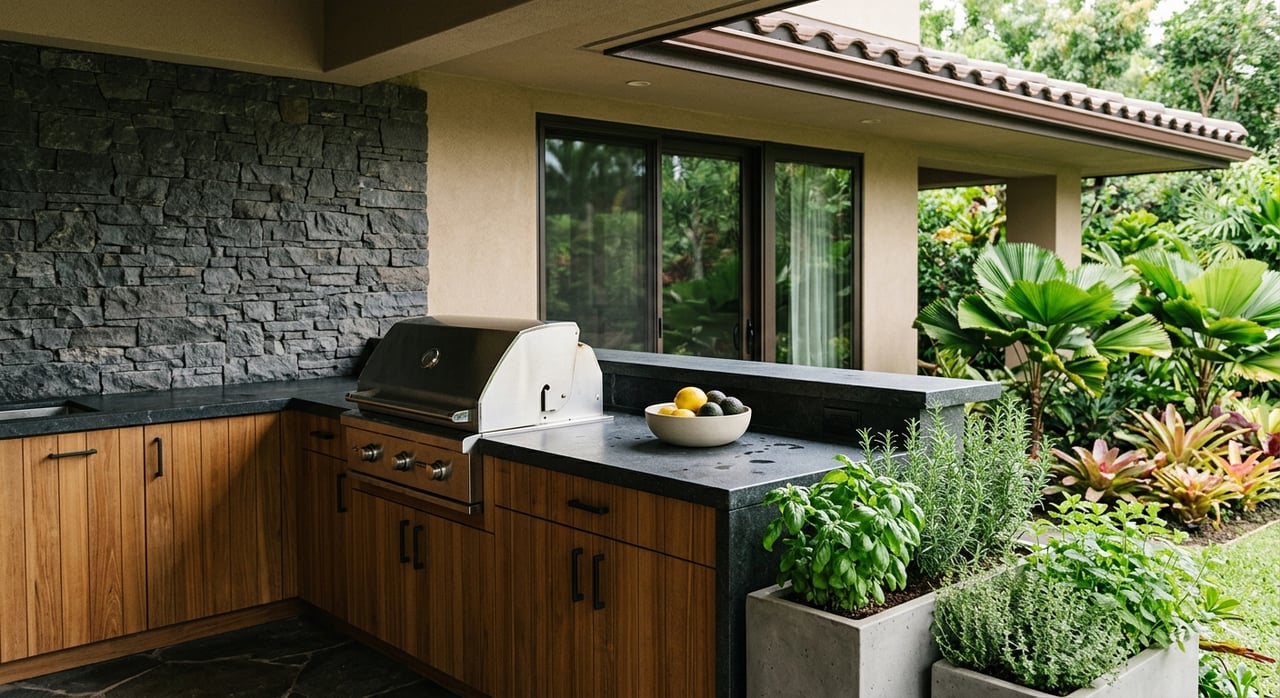
If your idea of home includes fresh herbs by the kitchen, a Saturday market run, and meals shaped by the season, Kula makes that vision feel especially natural. Upcountry Maui has long been tied to agriculture, and for many buyers, that connection is part of what makes the area so compelling. Whether you are relocating, buying a second home, or simply exploring a more grounded lifestyle, this guide will show you how farm-to-table living can take shape at home in Kula. Let’s dive in.
Why Kula supports farm-to-table living
Kula’s farm-to-table appeal is rooted in real agricultural infrastructure, not just a lifestyle trend. Maui County manages the Kula Agricultural Park, a 445-acre agricultural area with 31 lots supporting 26 local producers. The county identifies crops in the park such as Kula onions, dryland kalo, bananas, flowers, nursery stock, and turf grass.
That broader agricultural identity is supported by local growing conditions. The University of Hawaiʻi CTAHR identifies Kula as one of Maui County’s agricultural research and extension sites, and notes that the Kula Agricultural Park research site sits at about 1,400 feet in elevation with roughly 25 inches of annual rainfall and average minimum and maximum temperatures of 61°F and 81°F. In practical terms, that means you are living in a place where food production is part of the landscape and daily rhythm.
Kula’s soils also help explain why so much grows well here. CTAHR describes the Kula soil series as fertile volcanic ash soil in uplands near Waiakoa, covering about 8,800 acres with good drainage and use for vegetable crops, flowers, and pastureland. CTAHR also notes that Kula is suited to crops like romaine lettuce because of its warm sunny days, cool nights, and fertile volcanic ash soils.
What farm-to-table living looks like at home
Farm-to-table living in Kula does not require a large working farm. For many households, it can be as simple as keeping a few edible planters near the kitchen, building meals around nearby seasonal produce, and creating an outdoor setup that makes casual gathering easy. The lifestyle often comes from small, consistent habits rather than a major overhaul.
You might pick up greens, onions, berries, and herbs during the week, then supplement with a few things grown at home. Even a modest yard, patio, or lanai can support a practical edible setup when it is planned around sunlight, water access, and wind. That makes the idea approachable whether you are settling into a full-time residence or furnishing a second home for longer stays.
For buyers, this can also shape how you look at a property. A sunny corner, access to water, and a protected outdoor area may matter just as much as interior finishes if you want your home to support a more local, seasonal routine.
Best garden basics for Kula homes
CTAHR’s guidance for home gardens starts with the essentials: access to water, good sun exposure, and wind protection. Those three factors can make a big difference in how easy your garden is to maintain and how productive it becomes over time. In Kula, thoughtful placement matters.
If you are planning a home garden, start small and build from there. Pots and planters work well for households that want flexibility, especially if you are learning how sun and wind move across the property. Container gardening can also make good use of lanais, patios, and smaller outdoor spaces.
Easy edible plants for smaller spaces
CTAHR notes that pots work well for leafy greens, herbs, and compact fruiting crops such as tomatoes, peppers, cucumbers, and eggplant. Those are useful choices for a home setup because they can support everyday meals without requiring a large footprint. Leafy greens and herbs are especially practical if you cook often and want frequent, small harvests.
A simple mix might include:
- Lettuce or other cut-and-come-again greens
- Basil, mint, rosemary, or parsley
- Tomatoes in containers
- Peppers for compact color and kitchen use
- Cucumbers where you have room for support
- Eggplant in a warm, sunny spot
This kind of setup can create a steady rotation of ingredients for salads, sides, and garnishes during the week.
Why wind and water matter
In Kula, a beautiful view is not the only thing to pay attention to outside. CTAHR’s garden guidance emphasizes water access and wind protection for a reason. A spot that looks ideal can become difficult fast if hauling water is inconvenient or strong wind stresses young plants.
That is why many homeowners do well with a weather-aware approach. A protected corner near the house, movable planters, and simple shaded seating can make outdoor living and edible gardening more comfortable and easier to maintain.
Where to shop for local food near Kula
One of the strongest parts of this lifestyle is that you do not have to grow everything yourself. Kula and nearby Upcountry areas offer several convenient ways to bring local produce into your routine. That gives you flexibility whether you love gardening, prefer shopping, or want a mix of both.
Kula Country Farms
Kula Country Farms is one of the most practical everyday stops near Kula homes. Its farm stand is open Monday through Saturday from 9 a.m. to 4 p.m. and sells seasonal produce including Kula strawberries, Kula onions, blueberries, pumpkins, squash, asparagus, zucchini, cucumbers, herbs, flowers, starter plants, honey, jams, and baked goods.
The farm also says strawberries and blueberries are available year-round. For homeowners, that means you have access to both ready-to-eat produce and starter plants that can help you build your own edible landscape over time.
Upcountry Farmers Market
The Upcountry Farmers Market adds a strong weekly ritual to farm-to-table living. It operates on Saturdays from 7 a.m. to 11 a.m. at Kulamalu Town Center and advertises more than 100 local vendors. Offerings include produce, flowers, fish, baked goods, and other locally sourced food.
For many households, this kind of market becomes part of the weekend routine. You can shop seasonally, meet local growers, and build meals around what is freshest that week.
Other produce and pickup options
Kula Grown Organic Produce offers another local source, listing items such as lettuces, broccoli, cauliflower, zucchini, cucumber, green beans, tomatoes, cabbage, kale, and komatsuna. It appears at the Wednesday market near Long’s Drugs in Pukalani, the Saturday Upcountry Farmers Market, and Saturdays at Kukui Mall in Kihei.
Kealahou Farms, also in Kula, offers a seasonal veggie box, farm-fresh eggs, and produce through Maui Food Hubs. Maui Hub provides local produce ordering with Saturday Upcountry pickup in Kula and home delivery across Maui. Island Fresh Delivery also offers a Maui CSA with produce delivery to homes or offices.
How local food systems strengthen the lifestyle
Farm-to-table living in Kula is supported by more than individual gardens and farm stands. It is also part of a broader local food network that helps keep fresh food moving through the community. That wider system adds convenience and resilience for residents.
Maui Hub says its mission is to increase Maui’s food security, sovereignty, and resiliency. Grow Some Good describes its work as strengthening local agriculture and improving access to nutritious, affordable food. For you as a homeowner, that means this lifestyle is connected to real community infrastructure, not just a passing aesthetic.
Entertaining with a Kula harvest mindset
If you enjoy hosting, Kula’s setting lends itself to a relaxed, produce-driven style of entertaining. Based on CTAHR’s site guidance and Kula’s upcountry climate, outdoor gatherings tend to work best when they are simple and weather-aware. Think protected seating, flexible planters, and meals shaped by what is in season.
You do not need an elaborate setup to make it feel special. A table with local greens, fresh berries, herbs, roasted vegetables, and simple baked goods can reflect the area in a way that feels effortless and inviting. In many homes, that is part of the appeal: living in a place where everyday meals can feel more connected to the land around you.
What buyers can look for in Kula properties
If this lifestyle speaks to you, it can help to view homes through a slightly different lens. Instead of asking only about square footage or finishes, you may also want to consider how the property supports gardening, produce storage, and outdoor use. Small features can have a big effect on daily life.
Useful things to notice include:
- Sunny outdoor areas with good exposure
- Convenient water access for planters or garden beds
- Wind-protected spaces near the home
- Room for a few raised beds or containers
- Easy indoor-outdoor flow for casual meals
- Space for starter plants, herbs, or kitchen gardens
Not every Kula home needs a large yard to support this way of living. In many cases, a thoughtful small-space setup can still deliver the rhythm and enjoyment people are seeking.
A grounded way to experience Kula
What makes farm-to-table living in Kula so appealing is that it feels both aspirational and practical. The region’s agricultural roots, fertile soils, cooler upcountry conditions, and access to local produce make it easier to build a home routine around fresh food and seasonal habits. You can start with a few herbs, a weekly market visit, or a simple outdoor table and still feel deeply connected to place.
If you are considering a move to Upcountry Maui, it helps to work with someone who understands not just the market, but the lifestyle details that shape how a home lives day to day. If you are ready to explore Kula with that perspective in mind, schedule a personal consultation with Kela Fernandez.
FAQs
What vegetables and herbs are easiest to grow in Kula at home?
- CTAHR notes that pots work well for leafy greens, herbs, and compact fruiting crops such as tomatoes, peppers, cucumbers, and eggplant, making those strong options for many Kula homes.
Which farm stands and markets are closest to Kula homes?
- Kula Country Farms is a key nearby farm stand, and the Upcountry Farmers Market at Kulamalu Town Center on Saturdays is another major option. Kula Grown Organic Produce also appears at nearby markets including Pukalani and the Upcountry Farmers Market.
Can a small yard or lanai support farm-to-table living in Kula?
- Yes. CTAHR guidance supports using pots for greens, herbs, tomatoes, peppers, cucumbers, and eggplant, which makes this lifestyle possible even in smaller outdoor spaces.
How do wind and water access affect a home garden in Kula?
- CTAHR’s site-selection guidance emphasizes both water access and wind protection, so a convenient water source and a sheltered growing area can make your garden easier to maintain and more productive.
Why is Kula known for agriculture on Maui?
- Maui County’s 445-acre Kula Agricultural Park supports local producers, and CTAHR identifies Kula’s fertile volcanic ash soils, good drainage, and upcountry climate as well suited for vegetable crops, flowers, and pastureland.