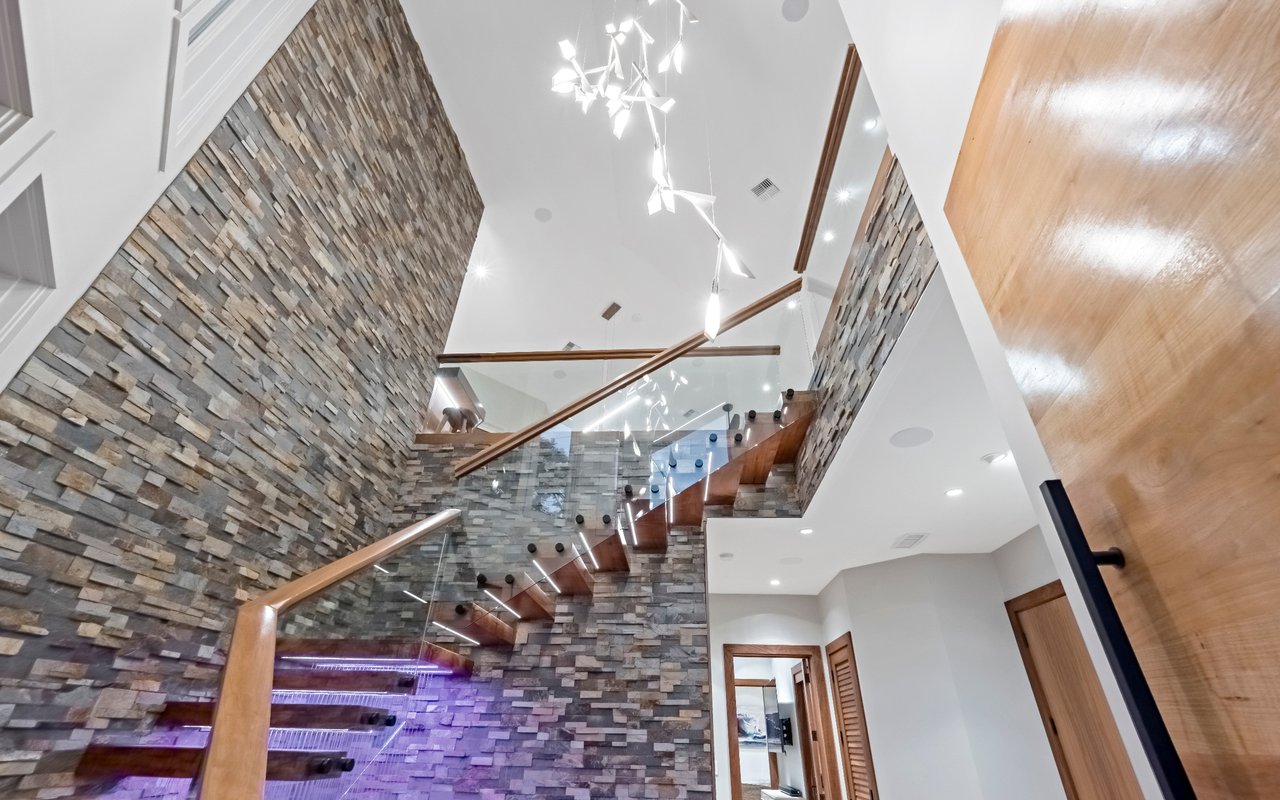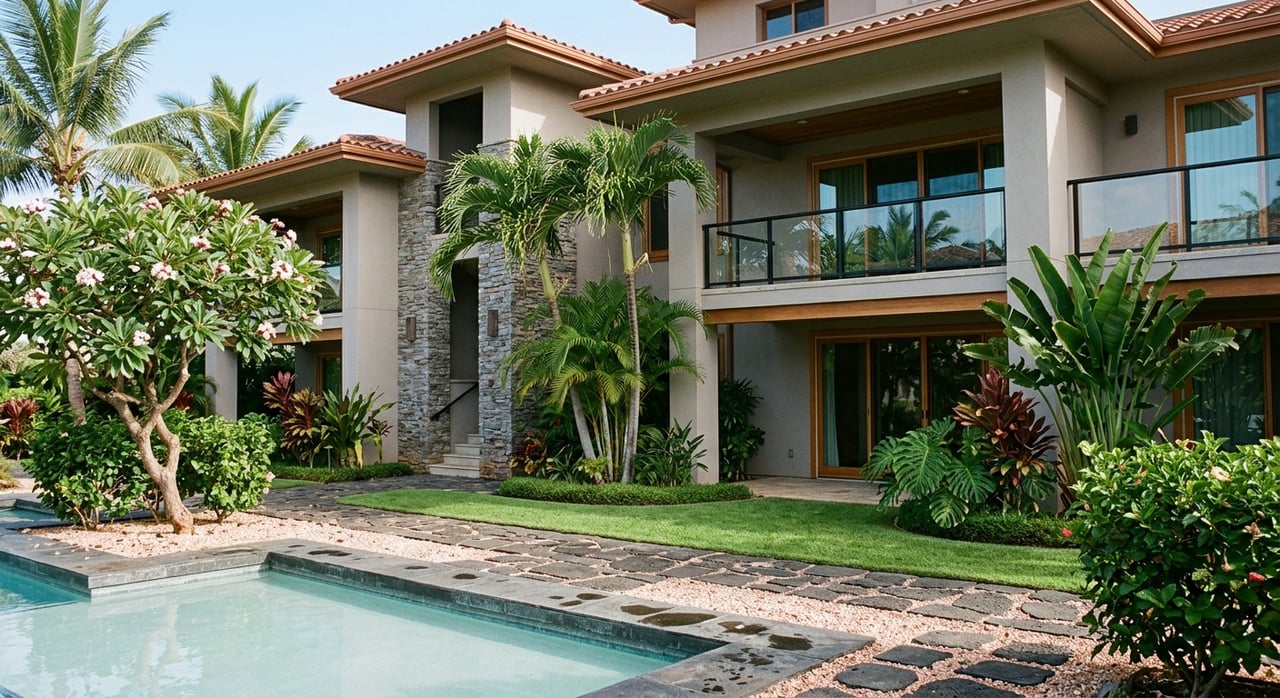
Trying to choose between Kihei and Wailea for your South Maui condo? It is one of the biggest fork-in-the-road decisions you will make in this part of Maui, because these two areas offer very different ownership experiences. If you want to weigh price, lifestyle, beach access, and condo costs with more clarity, this guide will help you see where each area fits best. Let’s dive in.
Kihei vs. Wailea at a Glance
At a high level, Kihei is the value-and-convenience option, while Wailea is the resort-and-luxury option. Both give you access to South Maui beaches and condo living, but the day-to-day feel and price point can be very different.
According to Realtor.com neighborhood data for Kihei, Kihei has a median listing price of about $1.05 million and roughly 600 homes for sale. Wailea, by comparison, sits much higher, with a median listing price of about $2.9755 million and far less inventory. Wailea also shows a higher median listing price per square foot, which reflects its resort positioning and luxury amenity mix.
Price Differences Matter Fast
If budget is a major driver, Kihei usually gives you more room to choose. Current condo examples in Kihei include listings around $329,500, $425,000, and $1.075 million, showing a broad range for different buyers and use cases. That wider spread can make Kihei more approachable if you want to enter the South Maui condo market with more flexibility.
Wailea condo pricing starts higher and climbs quickly. Current Wailea and Makena condo listings begin around the high hundreds of thousands to low millions, with examples at $1.249 million, $1.535 million, $1.995 million, $3.999 million, $4.85 million, $8.98 million, and $13.9 million, based on current Realtor.com listing examples. If you are looking for a luxury second home or a more service-rich resort setting, that price gap may be worth it. If not, Kihei may offer a better fit.
Daily Lifestyle Feels Different
Kihei feels practical and beachy
Kihei is described by GoHawaii as a sunny coastal area with six miles of beaches, smaller shopping centers, a farmers market, and restaurants that serve both residents and visitors. That mix gives Kihei a more everyday beach-town feel. You may find it easier to picture regular routines here, whether that means morning errands, beach time, or a quick meal close to home.
Kihei also offers a range of public beach facilities, including Kalama Park, Kama'ole I, Keawakapu I, and Cove Beach Park. These locations include combinations of parking, restrooms, showers, picnic areas, and lifeguards. For many buyers, that practical public access is a big part of Kihei’s appeal.
Wailea feels polished and resort-oriented
Wailea has a different rhythm. According to the Wailea Resort Association, the area includes more than 50 restaurants and lounges, multiple shopping areas, five crescent-shaped beaches, three beach access parks, a 1.5-mile coastal walking trail, and three championship golf courses.
That creates a more curated resort environment. If you want scenic walks, golf, resort dining, and a more managed setting, Wailea often feels more aligned with that lifestyle. Public amenities are available too, and Maui County’s Wailea Beach information notes practical features like parking, restrooms, and showers.
Beach Access: What Kind Do You Want?
This is one of the simplest ways to narrow your choice. Kihei tends to suit buyers who want easy, practical beach access woven into daily life. Wailea tends to suit buyers who want a more scenic resort-style beach experience tied to walking paths, golf, and upscale amenities.
Neither option is universally better. It depends on how you imagine using your condo. If you picture quick beach stops, everyday convenience, and more casual surroundings, Kihei may feel right. If you picture sunset walks along the coast and a more elevated resort setting, Wailea may feel more natural.
Inventory Can Shape Your Search
Inventory affects how many options you will actually have when you are ready to buy. Kihei’s roughly 600 homes for sale suggests a broader pool of choices, which can be helpful if you are balancing price, building type, HOA fees, and location. A wider selection can also make it easier to compare properties before making a decision.
Wailea’s much smaller supply means your search may be more focused and more competitive. With only about 11 homes for sale in the latest snapshot, buyers often need to act with clarity and patience. If Wailea is your goal, it helps to be realistic about both timing and budget.
Condo Fees and Rules Deserve Close Attention
No matter which area you choose, condo ownership in Hawaiʻi comes with shared costs and community rules. The Hawaiʻi condo fact sheet from DCCA explains that owners automatically become members of the condo association and pay maintenance fees for common expenses. Those common elements often include parking areas, grounds, walkways, pools, gyms, roofs, and major building systems.
The same fact sheet notes that condo documents may cover pets, permitted uses, assessments, insurance requirements, quiet hours, pool hours, and guest parking. That means your decision is not just about the unit itself. It is also about the way the building operates and whether its rules fit your plans.
HOA fees can vary widely
Representative listings show how much condo fees can differ. One Kihei-area listing shows HOA fees around $1,174 per month, while another Kihei-area resort-corridor listing shows about $1,456 per month. Wailea and Makena examples show monthly fees around $1,912, $2,000, and even $4,134, based on current listing examples reviewed in the market research.
The lesson is simple: do not compare condos on purchase price alone. A lower-priced condo with weaker reserves or rising costs may not be the better long-term value. A higher monthly fee may make more sense if it covers stronger maintenance, insurance, or amenities that matter to you.
Insurance and reserve planning matter
The DCCA condo FAQs note that Hawaiʻi condo insurance premiums have been rising due to a hard insurance market, higher repair costs, deferred maintenance in older buildings, and the need for adequate reserve funds. These pressures can lead to higher maintenance fees or special assessments.
There is no single reserve benchmark for every condo association. DCCA explains that each condominium has different needs, and boards rely on reserve studies or analyses to guide planning. Before you buy, it is worth understanding not just today’s fee, but how prepared the association is for future expenses.
What to Review Before You Buy
Before choosing a condo in either Kihei or Wailea, ask for the core documents and compare them carefully. This step can help you avoid surprises and better understand the full cost of ownership.
Here are key items to review:
- The declaration, bylaws, and house rules for pet, rental, and use restrictions, as outlined in the state condo fact sheet
- The reserve study, latest budget, insurance certificate, and special-assessment history, as recommended in the DCCA condo FAQs
- The line items included in the HOA fee so you can compare two condos more accurately
This is where experienced guidance can make a real difference. A condo that looks comparable on the surface may have a very different financial profile once you dig into reserves, insurance, and house rules.
Which Buyer Usually Fits Kihei?
Based on current market pricing, inventory, and neighborhood characteristics, Kihei often fits buyers who want:
- A lower entry price into South Maui condo ownership
- More inventory and more options to compare
- Strong public beach access
- A practical, everyday coastal setting
That may include first-time condo buyers, full-time residents, or value-conscious buyers who still want to be close to the beach and nearby services. If your priority is balancing location with flexibility, Kihei may give you more ways to make the numbers work.
Which Buyer Usually Fits Wailea?
Wailea often fits buyers who prioritize:
- Luxury finishes and higher-end condo environments
- Golf and resort amenities
- A lock-and-leave ownership style
- A more polished and service-rich setting
This can be a strong match for second-home buyers, downsizers, or buyers who are comfortable with higher HOA costs in exchange for a more managed resort atmosphere. If your vision of South Maui includes coastal walks, resort dining, and a more elevated ownership experience, Wailea may be the better fit.
The Best Choice Comes Down to Fit
If you are deciding between Kihei and Wailea, the answer is usually less about which area is better and more about which one fits your life, budget, and ownership goals. Kihei offers broader inventory, lower entry pricing, and a more everyday beach-town rhythm. Wailea offers a luxury resort environment, a stronger amenity stack, and a more curated South Maui experience.
The smartest next step is to compare actual condo options through the lens of total ownership, not just list price. HOA fees, rules, reserve health, insurance pressures, and lifestyle fit all matter. If you want help sorting through those layers and finding the right South Maui condo for the way you want to live, Kela Fernandez would be glad to help you schedule a personal consultation.
FAQs
What is the main difference between Kihei and Wailea for condo buyers?
- Kihei is generally the value-and-convenience choice, while Wailea is generally the resort-and-luxury choice.
How do Kihei and Wailea condo prices compare?
- Current market data shows Kihei at a much lower median listing price than Wailea, with Wailea condos often starting higher and climbing quickly into the luxury range.
Are HOA fees higher in Wailea condos than Kihei condos?
- Representative listings show that Wailea and Makena condo HOA fees are often higher than Kihei examples, but you should compare what each fee includes before drawing conclusions.
What condo documents should you review before buying in South Maui?
- You should review the declaration, bylaws, house rules, reserve study, budget, insurance certificate, and special-assessment history.
Is Kihei or Wailea better for a second-home condo in South Maui?
- Wailea often appeals more to second-home buyers who want a lock-and-leave resort setting, while Kihei may suit buyers who want more inventory and a lower entry price.