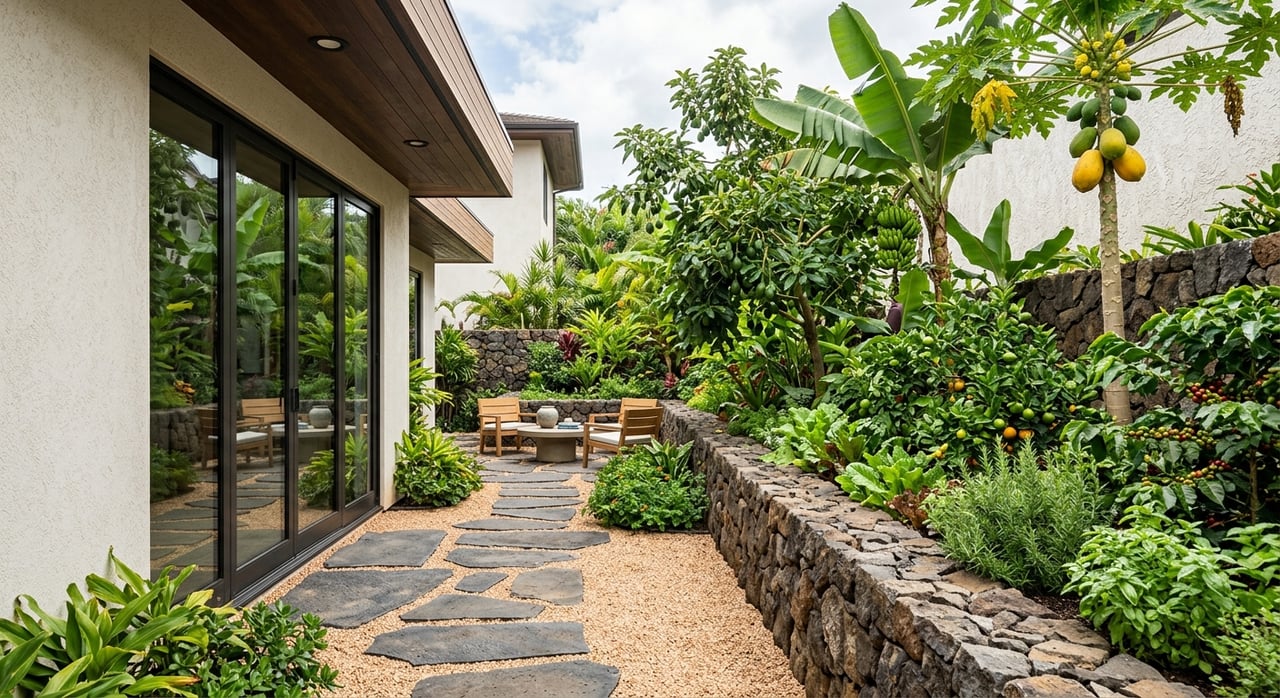
Buying in Kula or Upcountry can feel simple at first glance. You see open land, big views, and room to imagine a home, a garden, or a small farm. But in this part of Maui, the real question is not just what a property looks like. It is whether the land-use rules, water access, wastewater path, and existing records actually support how you want to use it. This guide will help you understand the basics so you can move forward with more clarity and fewer surprises. Let’s dive in.
Why land use matters in Kula
In Hawaii, every parcel falls within one of four state land-use districts: urban, rural, agricultural, or conservation. That state-level classification shapes what may be possible on a property before you even get to county rules.
For buyers in Kula and Upcountry, county zoning is the next key layer. Maui County regulates zoning within urban, rural, and agricultural districts, while conservation land is managed by the state. Maui County also points buyers to Title 19 for permitted uses, dwelling counts, and setback rules, which is why parcel-specific verification matters before you assume a use is allowed.
Start with two questions
Before you fall in love with a parcel, start with these basics:
- What is the property’s state land-use district?
- What is the property’s county zoning?
Those two answers can tell you a lot about what to investigate next. A property may sit in a beautiful agricultural setting, but that does not automatically mean every residential or farming plan will work there.
Agricultural district basics
Many Upcountry buyers focus on agricultural land because they want space, privacy, or a more land-connected lifestyle. In Maui County, the agricultural district is intended to promote agricultural development, preserve agricultural resources, and support the county’s agricultural character.
The district standards include a minimum lot area of 2 acres and a minimum lot width of 200 feet. The code lists principal uses such as agriculture, agricultural land conservation, agricultural parks, animal and livestock raising, minor utility facilities, restoration of historically or archaeologically significant sites, and certain solar energy facilities.
That said, not every desired use is automatically allowed. Some uses may require special review or a special use permit, so it is important to confirm whether your plan is considered a principal use, accessory use, or something that needs additional approval.
Agriculture zoning is not the whole story
A parcel can be zoned for agriculture and still be challenging to use the way you hope. State land-use rules recognize practical issues such as soil quality, topography, climate, fragmentation, and whether agencies can support needed agricultural infrastructure.
In plain terms, land may look appealing on paper yet be difficult to farm at a meaningful scale. If your vision includes orchards, gardens, animals, or broader agricultural use, these site conditions deserve close review early in your search.
Rural district basics
Rural zoning also comes up often in Kula and Upcountry. These districts are intended to preserve low-density development, allow small-scale agricultural uses and the keeping of animals, and serve as a transition between urban and agricultural areas.
Maui County’s RU districts vary by density. They range from one dwelling per one-half acre in RU-0.5 to one dwelling per 10 acres in RU-10. That range matters because two rural parcels can look similar online while offering very different development potential.
Why rural zoning deserves a closer look
If you are comparing properties, do not stop at the word “rural.” You will want to know the exact RU designation and how it affects dwelling count, site standards, and possible uses.
This is one reason parcel-level diligence is so important in Upcountry. Small details in the zoning code can make a major difference in whether a property fits your goals.
Water is a major due-diligence item
In Upcountry, water is one of the most important issues to verify. Maui County says the Upcountry Water System includes Kula, and requests for water service are reviewed using the Upcountry Priority List.
The county also states that it has not accepted new applications to be placed on that list since January 1, 2013. On top of that, the county posts daily Upcountry water reports, which is a useful reminder that water conditions can change quickly.
What this means for you
If a property depends on county water service, you will want to understand its current status and not assume future service will be simple. If water is central to your plans for a home, agriculture, or both, this step should move to the top of your checklist.
A scenic parcel is not enough on its own. In Kula and Upcountry, realistic water access can shape whether your plans are workable.
Wastewater may need a separate path
Not every property is connected to county sewer. If a parcel is not, Hawaii’s Individual Wastewater System process may apply.
The state wastewater branch lists approved on-site options such as septic tanks, aerobic treatment units, passive aerobic systems, composting toilets, and incinerator toilets. It also instructs applicants to hire a Hawaii-licensed civil engineer and complete the required site testing and survey before plans are submitted.
Why this matters before closing
Wastewater is not a detail to sort out later. If there is no sewer connection, you will want to know what system may be possible on the parcel and what professional work will be needed.
This can affect timeline, feasibility, and overall planning. For vacant land especially, understanding the wastewater path early can save you from costly assumptions.
Mobile homes and trailer-based living
Some buyers explore simpler living setups while searching for Upcountry land. Maui County’s FAQ makes an important distinction here.
Mobile or trailer homes are treated like other dwelling units for zoning purposes. However, on state agricultural and rural district land, house trailers and mobile homes are not permitted as dwelling units.
If your vision includes a trailer-based setup, this is a key point to confirm right away. It is much better to know that limitation before you invest time in a parcel that does not support your intended use.
Check the records, not just the listing
In Kula and Upcountry, good due diligence means comparing the property story with the public record. Maui County provides several tools that help buyers verify zoning, parcel information, and permit history.
The Real Property Assessment Division maintains TMK and GIS parcel layers. MAPPS allows the public to search permits, plans, inspections, code cases, and business licenses by address or TMK. Maui County also directs users to its real property tax site and digital zoning maps to confirm parcel zoning.
What to look for in public records
As you review a property, look for consistency between the listing, permit history, and county records. If there are existing structures, improvements, or prior approvals, those details should line up.
This is especially important when you are buying land for a specific plan. Clear records can help you better understand what has already been approved, what may still need review, and where additional questions should be asked.
A simple buyer checklist for Kula and Upcountry
Here are some of the most useful early questions to ask:
- What is the parcel’s state land-use district?
- What is the county zoning designation?
- Is your intended use a principal use, an accessory use, or one that may need special review?
- Is there existing or realistic water service under current Upcountry conditions?
- If there is no sewer connection, what is the wastewater path?
- What does the permit history in MAPPS show?
- Do the public records match the property as marketed?
These questions can quickly reveal whether a property is a strong fit or a deeper project. In Upcountry, that clarity is valuable.
The big takeaway for buying in Kula
The most useful land-use lesson in Kula and greater Upcountry is this: every parcel deserves its own review. The right question is not just whether a property sits in a farming-friendly or open-space setting.
The better question is whether the state district, county zoning, water access, wastewater path, and existing approvals line up with how you want to live on the land. When those pieces fit together, you can move forward with far more confidence.
Buying Upcountry often comes with a strong lifestyle pull. If you are drawn to Kula for space, climate, or a more grounded connection to the land, careful diligence helps turn that vision into a purchase that truly supports your goals.
If you want a guided, detail-minded approach to buying in Kula or anywhere in Upcountry Maui, Kela Fernandez can help you evaluate properties with both lifestyle fit and practical clarity in mind.
FAQs
What land-use districts apply to property in Kula and Upcountry Maui?
- In Hawaii, land is classified into four state land-use districts: urban, rural, agricultural, and conservation.
What should buyers verify first on a Kula parcel?
- You should verify both the state land-use district and the Maui County zoning before making assumptions about allowed uses.
What does agricultural zoning mean for a Kula property?
- In Maui County, agricultural zoning is intended to support agricultural development and protect agricultural resources, with standards that include a 2-acre minimum lot area and 200-foot minimum lot width.
What does rural zoning mean in Upcountry Maui?
- Rural districts are meant for low-density development and small-scale agricultural uses, and Maui County’s RU districts range from one dwelling per one-half acre to one dwelling per 10 acres.
Why is water such a big issue for Kula buyers?
- Kula is served by the Upcountry Water System, where water service requests are reviewed through the Upcountry Priority List and water conditions can change quickly.
What if a Kula property is not connected to sewer?
- If there is no county sewer connection, the property may need an Individual Wastewater System such as a septic tank or other approved on-site option, with plans prepared through the state process.
Are mobile homes allowed as dwellings on agricultural or rural land in Maui County?
- No. Maui County states that on state agricultural and rural district land, house trailers and mobile homes are not permitted as dwelling units.
What records should buyers review before buying land in Upcountry Maui?
- You should review parcel, zoning, and permit records through Maui County tools such as TMK and GIS parcel layers, digital zoning maps, the real property tax site, and MAPPS.