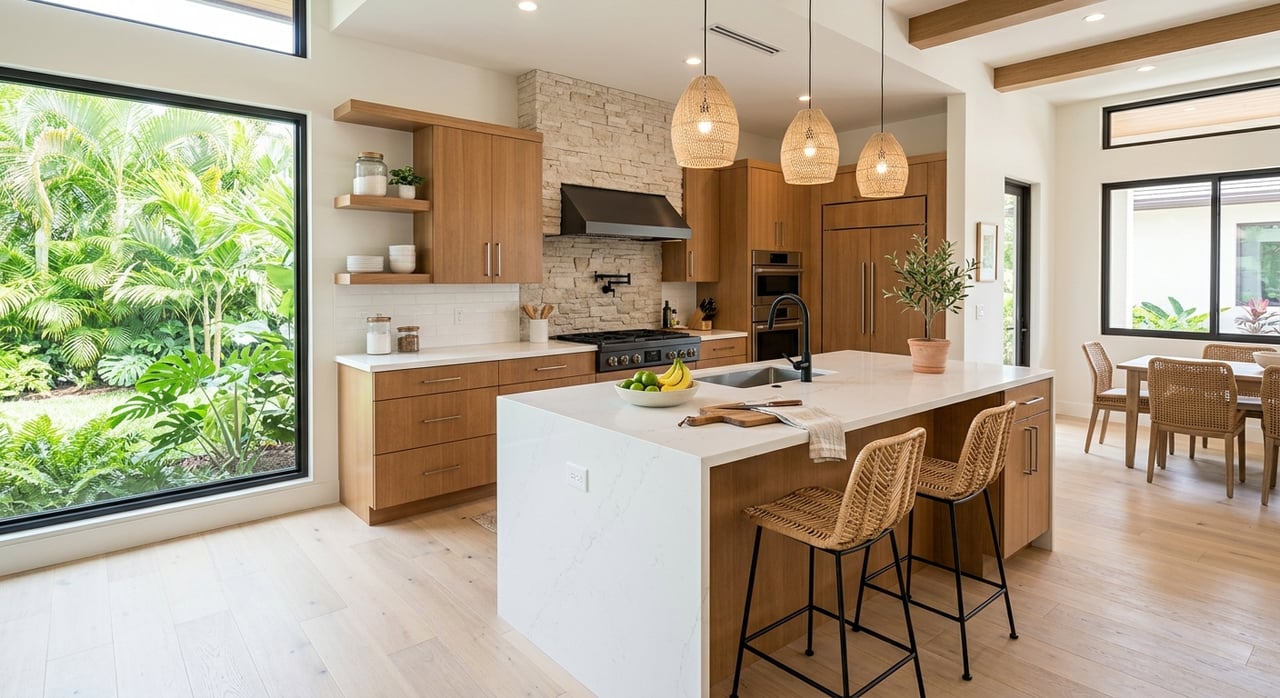
Wondering what it really takes to get your Upcountry home ready for market? If you are preparing to list in Kula or Pukalani, the process often involves more than decluttering a few rooms and booking photos. Between Maui’s upland terrain, shifting weather patterns, rural infrastructure, and required disclosure items, a smart prep plan can help you avoid delays and present your property with clarity and confidence. Let’s dive in.
Why Upcountry prep is different
Kula and Pukalani sit on the northwest upland slopes of Haleakalā in the Makawao-Pukalani-Kula region. Maui County describes this area as rural and agricultural, with much of the developed and agricultural land between 1,500 and 3,500 feet in elevation. That setting creates a very specific listing experience, especially when your property includes slopes, gulches, larger yards, or wide view corridors.
Rainfall can also vary sharply over short distances in Upcountry. The county and the University of Hawaiʻi Rainfall Atlas note that mountainous terrain and trade winds shape local weather in ways that can affect drainage, landscaping, exterior wear, and even the timing of your photo shoot. For many Kula and Pukalani homes, curb appeal is not just about beauty, it is also about how well the property handles weather, access, and visibility.
Start with documents early
One of the best ways to reduce stress before listing is to gather your paperwork before the home goes live. This gives you time to confirm details, resolve questions, and avoid scrambling once an offer comes in. In Upcountry, where homes may have additions, detached structures, water-related improvements, or agricultural features, early review matters.
Seller disclosure timing in Hawaiʻi
In Hawaiʻi, a residential seller must provide a disclosure statement that is signed and dated within six months before acceptance of a purchase contract, or within ten calendar days after acceptance. The buyer must acknowledge receipt and have the opportunity to examine it.
That means your disclosure should not be treated as a last-minute task. If you start early, you can answer questions more carefully and gather backup information for anything that may need explanation.
Association and use restriction documents
If your property is subject to a recorded declaration or other use restrictions, you also need to provide the relevant association documents, bylaws, rules, and restrictions. After a current title report is received, the seller generally has ten calendar days to provide those documents, and the buyer then has fifteen calendar days to review them and rescind if desired.
If your home is part of a planned development or has recorded restrictions, it is wise to identify that now. Having those documents ready can help your transaction move more smoothly once you are in escrow.
Permit records and final inspections
Maui County requires building permits for construction, alteration, moving, demolition, repair, and use of structures. The county now processes new permit and plan-review applications through MAPPS and no longer accepts paper applications for new cases listed on the MAPPS applications page.
Before listing, pull permit records for any work that required approval. You will want to confirm final inspections, certificates of occupancy where applicable, and whether any older permits expired without final sign-off.
Lead-based paint for older homes
If your home was built before 1978, federal law requires disclosure of known lead-based paint and lead-based paint hazards before sale. Sellers must also provide the required pamphlet and give buyers an opportunity for inspection.
Even if the home has been updated over time, this is still a separate compliance item to address. It is one more reason to begin your listing prep before your ideal launch date.
Verify water and wastewater details
Water can be a bigger part of the listing conversation in Kula and Pukalani than many sellers expect. Maui County’s Upcountry water system serves Kula, Makawao, Pukalani, Haliimaile, and nearby areas, and water-service requests are reviewed based on a priority list.
If your sale may depend on irrigation, a meter change, or another water-service issue, verify that early. The county also requires owners to submit water-service requests through MAPPS, so delays can affect your timeline if you wait too long.
Most of the Upcountry region is not served by county wastewater facilities, according to Maui County infrastructure documents. If your property has an individual wastewater setup, gather maintenance records and confirm the system details before listing. If the property is in a special flood hazard area, Maui County flood-development permit rules may also apply.
Focus exterior prep where buyers notice it first
In Kula and Pukalani, buyers often notice the setting as quickly as they notice the house itself. The condition of your exterior can shape first impressions before anyone steps inside. That is especially true on homes with long driveways, terraced yards, retaining walls, lanais, or visible utility areas.
Prioritize wildfire-conscious maintenance
Maui’s wildfire guidance recommends practical steps that also improve listing presentation. Sellers should remove leaf litter from roofs and gutters, clear combustible materials from under decks and lanais, relocate woodpiles, trim low branches and ladder fuels, and keep areas near the home free of dead or dying vegetation.
The county guide identifies Zone One as extending 30 feet from structures and Zone Two as extending 30 to 100 feet. The county after-action report also recommends at least 100 feet of defensible space, a 0 to 5 foot clear zone, Firewise-type community practices, and home-hardening measures.
Clean the edges of the property
On larger Upcountry lots, buyers often take in more than the front door. Driveway edges, windows, railings, gates, storage zones, and utility areas can all become part of the showing experience.
A thorough cleanup helps the property feel cared for and easier to understand. It can also help buyers focus on views, outdoor living areas, and the overall setting instead of visual distractions.
Refresh landscaping thoughtfully
Maui County’s wildfire guide notes that native and drought-tolerant planting can help preserve beauty while reducing maintenance and fire risk. For Upcountry sellers, that can be a useful approach when you want the landscape to look intentional without creating extra upkeep.
You do not need to overcomplicate this step. Usually, a clean, healthy, well-trimmed exterior reads better than a yard filled with unfinished projects or overgrown plantings.
Make the interior feel bright and calm
Inside the home, one of the most helpful presentation goals is simple: make the space feel easy to read. In view-oriented properties, open sightlines and clean glass help buyers connect the house to the surrounding setting.
If your furniture layout blocks windows or creates visual crowding, simplify it before photos and showings. The goal is not to erase personality. It is to create a calm, spacious feeling that lets buyers take in both the structure and the location.
Plan photography around Upcountry weather
In Kula and Pukalani, weather can make a real difference in how a home presents online. Because rainfall, clouds, wind, and visibility can shift quickly with elevation and terrain, the best exterior photos are often taken when light is even and skies are clear enough to show the view.
If possible, keep your first photo session flexible. Avoiding wind, post-shower haze, or cloud buildup can help your listing launch with stronger images, especially if the property’s setting is one of its key selling points.
Build a smoother pre-listing timeline
A calm launch usually comes from good sequencing. Maui County and the Maui Fire Department note that wildfires can spread in dry weather and high winds, that ember fires can threaten homes away from the flame front, and that early planning is part of the county’s Ready, Set, Go approach.
For sellers, that reinforces the value of getting organized before the listing goes live. Try to line up landscaping, repairs, cleaning, document review, and photography in a logical order so you are not making rushed decisions right before showings begin.
A simple prep sequence may look like this:
- Gather disclosure items, permits, and property records.
- Verify water service, irrigation details, and wastewater information.
- Complete exterior cleanup and wildfire-conscious maintenance.
- Finish small repairs and touch-ups.
- Simplify furnishings and clean interior sightlines.
- Schedule photography for the best possible weather window.
- Keep the home show-ready with minimal last-minute clutter.
Why this prep work matters
A well-prepared listing does more than look polished. It helps you answer buyer questions more clearly, reduce avoidable escrow issues, and present your home in a way that reflects both the property and the place.
In Kula and Pukalani, that means respecting the realities of Upcountry living, from terrain and rainfall to water systems and rural infrastructure. When your prep is thoughtful, your home has a better chance to make a strong first impression and support a smoother sale.
If you are getting ready to list and want a calm, well-managed plan tailored to your property, Kela Fernandez can help you coordinate the details, prepare for market, and present your home with elevated local insight.
FAQs
What should sellers in Kula or Pukalani do first before listing?
- Start by gathering disclosures, permit records, and any documents tied to water service, wastewater setup, or recorded property restrictions.
What disclosure is required when selling a home in Hawaiʻi?
- Hawaiʻi sellers must provide a signed and dated disclosure statement within six months before accepting a purchase contract or within ten calendar days after acceptance, and the buyer must have the opportunity to examine it.
What permit records should Upcountry Maui sellers check?
- Sellers should review permits for construction, alterations, repairs, and other structural work, then confirm final inspections, certificates of occupancy when applicable, and whether any older permits expired.
What water-related issues should Kula and Pukalani sellers verify?
- Sellers should confirm any irrigation, meter-change, or water-service matters early because Maui County reviews Upcountry water-service requests based on a priority list.
How should homeowners prepare the exterior of an Upcountry Maui home for sale?
- Focus on cleaning roofs, gutters, decks, lanais, drive edges, windows, gates, storage areas, and landscaping while addressing wildfire-conscious maintenance around the home.
When is the best time to photograph a home in Kula or Pukalani?
- Exterior photos usually look best when light is even and skies are clear enough to show views, so flexibility around wind, clouds, and post-shower haze can help.
Do pre-1978 homes in Maui need special disclosure before sale?
- Yes. Homes built before 1978 require disclosure of known lead-based paint and hazards, along with the required pamphlet and an opportunity for buyer inspection.