If you picture sustainable living in South Maui as a major sacrifice, think again. In Wailea and nearby Maui Meadows, it often looks more like smart water use, comfortable home design, and outdoor spaces that work with the climate instead of against it. If you are buying, selling, or improving a property here, understanding those local patterns can help you make better decisions and enjoy island living more fully. Let’s dive in.
Why sustainability matters in South Maui
Wailea and Mākena are part of the Central and South Maui water service area, where Maui County has issued recent conservation notices, including a 2026 request to conserve water during a South Maui mainline repair. That local context matters because sustainable living here is not just a design preference. It is part of everyday property ownership.
Maui County has also made climate resilience a formal goal in its Countywide Policy Plan. The county’s Climate Action Resiliency Plan is framed around Native Hawaiian knowledge, science, and community adaptation. For homeowners and buyers, that means many of the best choices already align with the direction local policy is heading.
Water stewardship starts at home
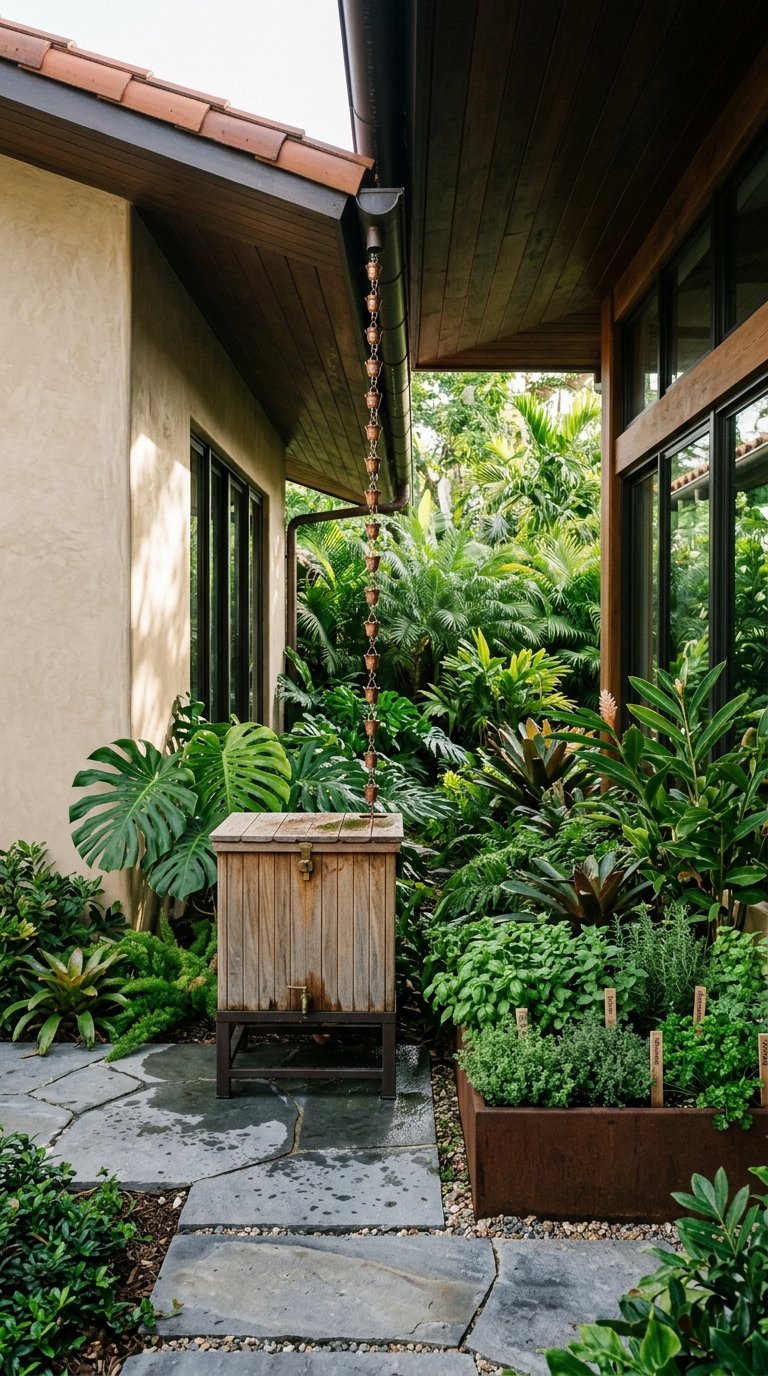
One of the clearest parts of sustainable island living in Wailea and Maui Meadows is water stewardship. Maui County’s Water Use Conservation Ordinance 5929 took effect on March 1, 2026, and it sets clear expectations for how potable water can be used outdoors.
Under the ordinance, potable-water lawn and landscape watering is not allowed from 9 a.m. to 5 p.m. Watering days also vary by property type and address. Recycled water, greywater, rain catchment, agricultural use, and newly installed landscapes during their first four weeks are exempt from those limits.
The ordinance also treats runoff onto sidewalks or streets as water waste. Delayed leak repairs count as waste too. In practical terms, that means irrigation design, regular maintenance, and fast fixes are part of responsible property care in South Maui.
What this means for buyers
If you are shopping for a home in Wailea or Maui Meadows, it helps to look beyond the views and floor plan. Pay attention to how the property handles irrigation, drainage, and landscape water use.
A home with an efficient system may be easier to maintain and more aligned with current county rules. Features like drip irrigation, smart controllers, and well-planned planting zones can signal thoughtful ownership. Those details may also help reduce waste and simplify upkeep.
What this means for sellers
If you are preparing to sell, sustainable outdoor improvements can support buyer appeal. Maui County notes that conservation landscaping can improve curb appeal and home value, which makes it a practical upgrade as well as an environmentally aware one.
Before listing, it may be worth checking for leaks, adjusting watering schedules, and making sure there is no runoff from the irrigation system. Small fixes can make the property feel more polished and better cared for.
Landscaping for Maui’s climate
In Wailea and Maui Meadows, the most effective landscapes are usually the ones designed for the local conditions. Maui County’s conservation landscaping guidance recommends grouping plants by water need, using drip irrigation for trees, shrubs, flowers, and groundcovers, and limiting turf to the spaces that truly need it.
That guidance is especially important because the county says 85% of landscape problems are tied to overwatering. It also says a properly designed irrigation system can reduce water use by about 20% annually. For homeowners, that is a strong reminder that more water is not always better.
Smart landscaping ideas
Sustainable landscaping does not have to mean sparse or plain. It usually means being intentional with where water goes, how plants are grouped, and how outdoor areas are used.
Helpful strategies include:
- Grouping plants with similar water needs
- Using drip irrigation instead of broad spray systems for many planting areas
- Limiting lawn to areas with a clear purpose
- Adding mulch to help soil hold moisture
- Watering slowly and deeply
- Checking regularly for leaks and runoff
- Using smart irrigation controllers when appropriate
For larger new or upgraded landscape projects, Maui County’s updated rules require high-efficiency irrigation and water-efficient landscaping. That includes approaches such as xeriscaping and the use of native or drought-tolerant plants.
Plant choices with lower water demand
County guidance includes examples of drought-tolerant choices such as ʻaʻaliʻi, ʻilima, naupaka, bougainvillea, plumeria, succulents, and agave. These kinds of plants can support a beautiful outdoor setting while reducing water demand.
If you want to refine your approach, the University of Hawaiʻi CTAHR notes that Maui has diverse growing conditions and that Master Gardeners can help with plant selection and care. That can be useful if you are building a landscape plan that balances appearance, maintenance, and climate fit.
Outdoor spaces that do more
Sustainable island living is not only about using less. It is also about making your outdoor space more productive and enjoyable.
CTAHR’s edible-landscape guidance shows how fruit trees, herbs, and edible groundcovers can be integrated into Hawaiʻi landscapes. In the right setting, that can create a yard that offers shade, texture, and useful harvests at the same time.
For homeowners in Maui Meadows especially, where lots may allow more room to experiment, edible landscaping can be an appealing layer of island living. UH Maui College’s WaiPono Farm and Kauluwehi Garden also reflect local interest in regenerative agriculture, Native Hawaiian plants, and community well-being.
Energy-conscious home design
A sustainable home in Wailea or Maui Meadows often feels comfortable because it is designed well, not because it relies on oversized mechanical systems. In Maui’s climate, reducing heat gain and improving airflow can make a meaningful difference in daily comfort.
Maui County’s building review guidance says permits submitted on or after October 28, 2023 must comply with the county’s building code and energy code. It also specifically flags the state solar water-heater requirement for new dwellings.
The county’s electrical permitting process includes renewable-energy-system and solar-water-heater permits as well. So if you are building new or planning major upgrades, energy efficiency is already part of the local framework.
Water heating options to know
The Hawaiʻi State Energy Office says new single-family dwellings generally must include a solar water heater unless a variance is granted in limited cases. For owners considering upgrades, Hawaii Energy also offers rebates for solar water heating and heat-pump water heaters.
According to Hawaii Energy, heat-pump water heaters are two to three times more efficient than conventional models and can cut water-heating costs in half. That makes them worth a closer look for buyers evaluating a property’s systems and for owners planning improvements.
Passive comfort features that fit island life
Some of the most practical comfort strategies are also the simplest. Guidance from the U.S. Department of Energy supports features that work well in coastal homes, including cool roofs, natural ventilation, ceiling fans, and exterior shading.
In practical terms, that can look like:
- Deep shade around outdoor living areas
- Window shading on east-, west-, and south-facing exposures
- Layouts that capture breezes
- Ceiling fans that support comfort with less cooling demand
- Roofing choices that help reflect heat in hot climates
The Department of Energy notes that ceiling fans can allow a thermostat setting about 4°F higher without reducing comfort. That is a useful reminder that a home can feel better simply by working with Maui’s natural conditions.
Everyday habits that support island living
Sustainable living is often built on small routines, not just big renovations. In South Maui, local resources make that easier.
The Department of Water Supply provides free water-saving items such as faucet aerators, leak-detection tablets, shower heads, hose nozzles, moisture meters, toilet tank bags, and hose timers. These are simple tools, but they can support quick improvements with immediate water-saving potential.
Maui County also supports green waste recycling. Residential green waste is accepted free at Maui Eko Systems, and residents who self-haul from private residential property can also drop off green waste for free at Hawaii Organics Compost. The county also maintains South Maui recycling options in Kihei.
How sustainable features affect real estate decisions
For buyers, sustainable features can shape long-term livability. A property with lower-water landscaping, efficient irrigation, good shade, and thoughtful ventilation may be easier to care for and more comfortable throughout the year.
For sellers, these features can strengthen the story of the home. They can show that the property has been maintained with care and adapted to Maui’s climate in a practical way. That can matter whether you are selling a resort-area residence, a second home, or a primary property.
In a place like Wailea and Maui Meadows, sustainability is not an abstract trend. It is already supported by local rules, local guidance, and local infrastructure. That makes it a meaningful part of how buyers evaluate homes and how sellers position them in the market.
If you are thinking about buying or selling in South Maui, working with someone who understands both lifestyle fit and property function can make the process more grounded. To talk through your goals in Wailea, Maui Meadows, or elsewhere on Maui, schedule a personal consultation with Kela Fernandez.
FAQs
What does sustainable living in Wailea and Maui Meadows usually include?
- It often includes water-wise landscaping, efficient irrigation, lower-water plant choices, energy-conscious home systems, shade, airflow, and outdoor spaces designed to work well in Maui’s climate.
What are the Maui County outdoor watering rules for South Maui properties?
- Maui County’s Water Use Conservation Ordinance 5929 bars potable-water lawn and landscape watering from 9 a.m. to 5 p.m., sets watering days by property type and address, and includes exemptions for recycled water, greywater, rain catchment, agricultural use, and newly installed landscapes during their first four weeks.
What landscaping features help conserve water in Wailea and Maui Meadows?
- Helpful features include drip irrigation, grouping plants by water need, limiting turf, using mulch, watering slowly and deeply, and checking regularly for leaks or runoff.
What drought-tolerant plants are commonly recommended for Maui landscapes?
- Maui County examples include ʻaʻaliʻi, ʻilima, naupaka, bougainvillea, plumeria, succulents, and agave.
What energy features are useful for homes in Wailea and Maui Meadows?
- Useful features can include solar water heating, heat-pump water heaters, cool roofs, ceiling fans, natural ventilation, and exterior shading that helps reduce heat gain.
What local resources support sustainable homeownership in South Maui?
- Maui County offers free water-saving devices through the Department of Water Supply, green waste recycling options, and conservation guidance for landscaping and irrigation.